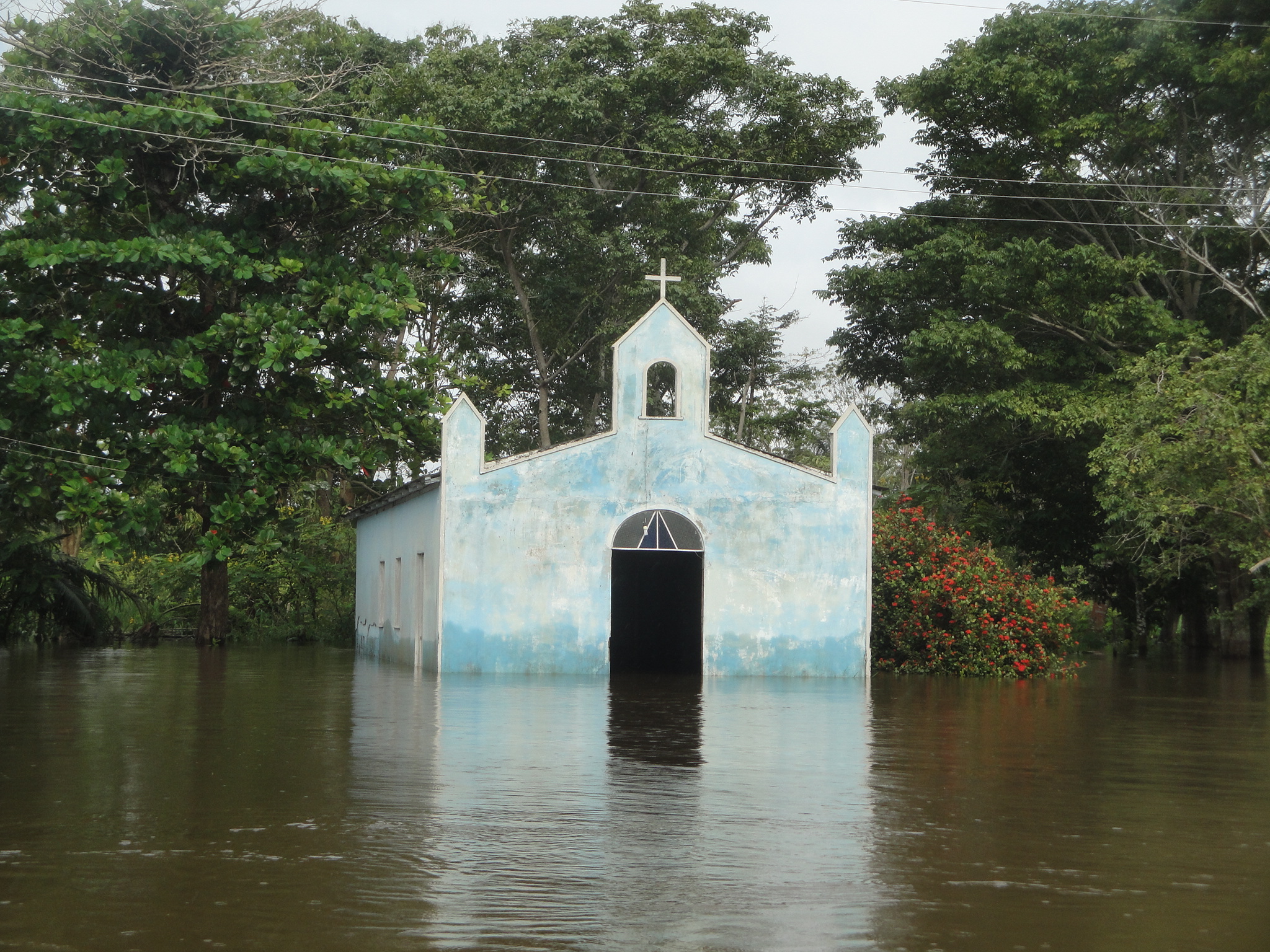
A submerged church along the way…. the light was still on at the alter….
Reply


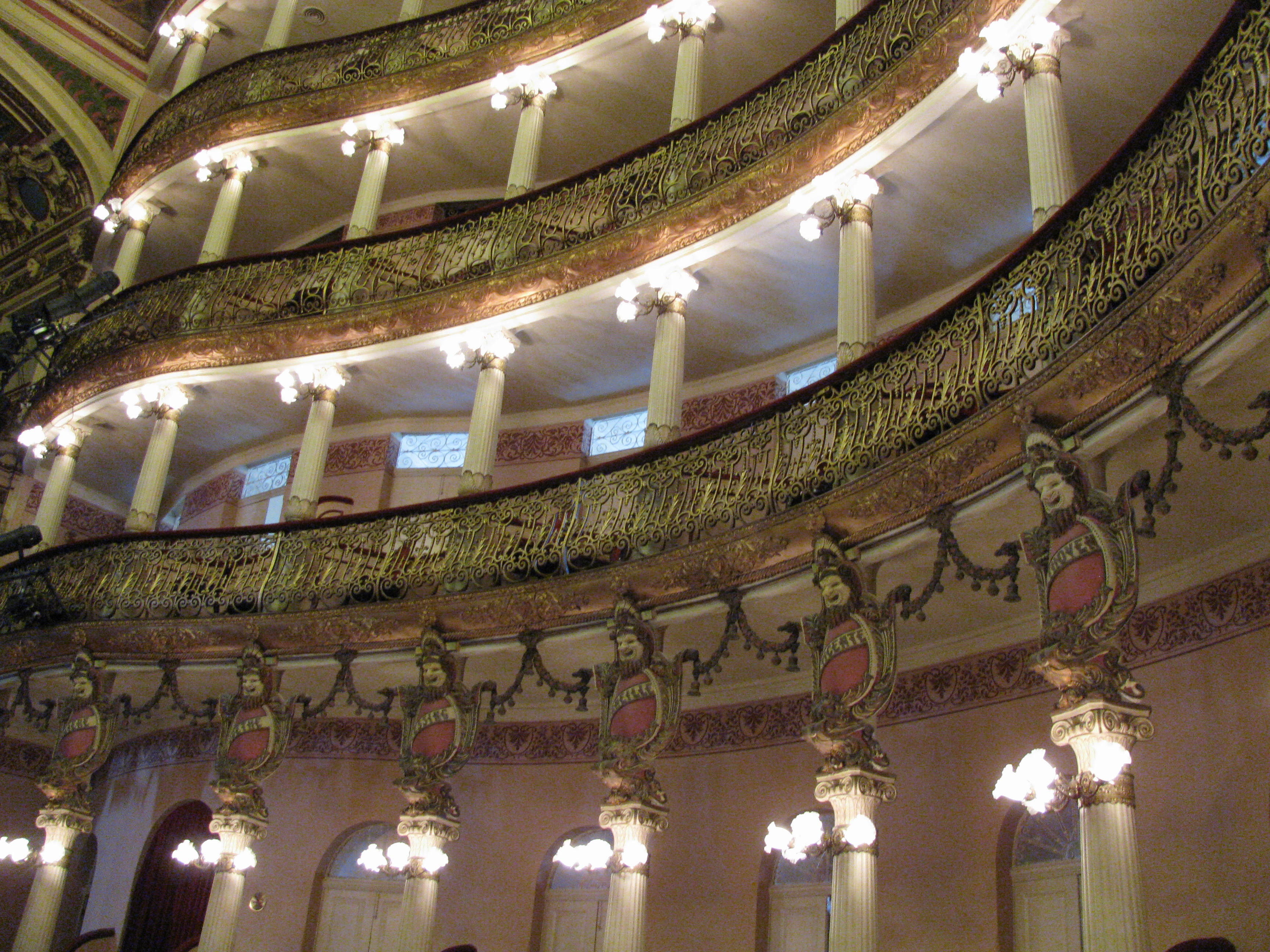
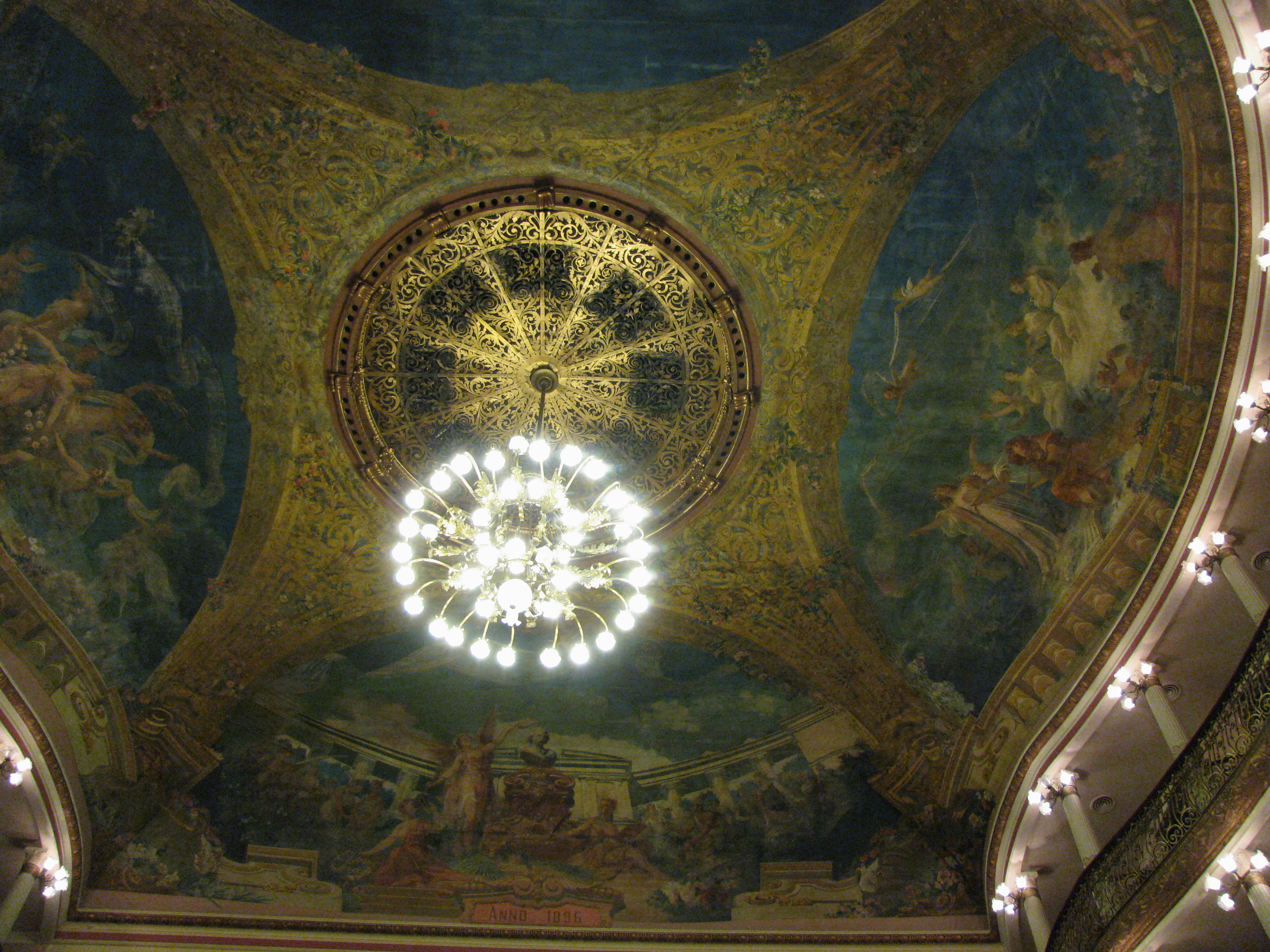
RETURN, there are not many cities that call me back but Buenos Aires was one of them. I had lived there for two months in 2007 and when I left felt that I would like to return one day. We have just spent seven nights there in an apartment in Recoleta. The city did not let me down and I come away with many positive things to say about it. The first thing that strikes you is the amount of trees, parks and statues of its famous heroes, men gone by who have had an influence on the development of the city and country. I have never been a “city” girl so it constantly amazed Guy (I think) when I would say to him how much I felt at home there. The mixture of architecture, old and new (which sometimes sits together well and sometimes not) gives one an insight of days gone by, the wide avenues with up to fourteen lanes of traffic which seem to flow well and the enormous number of taxis, their yellow and black colour dominating the scene.
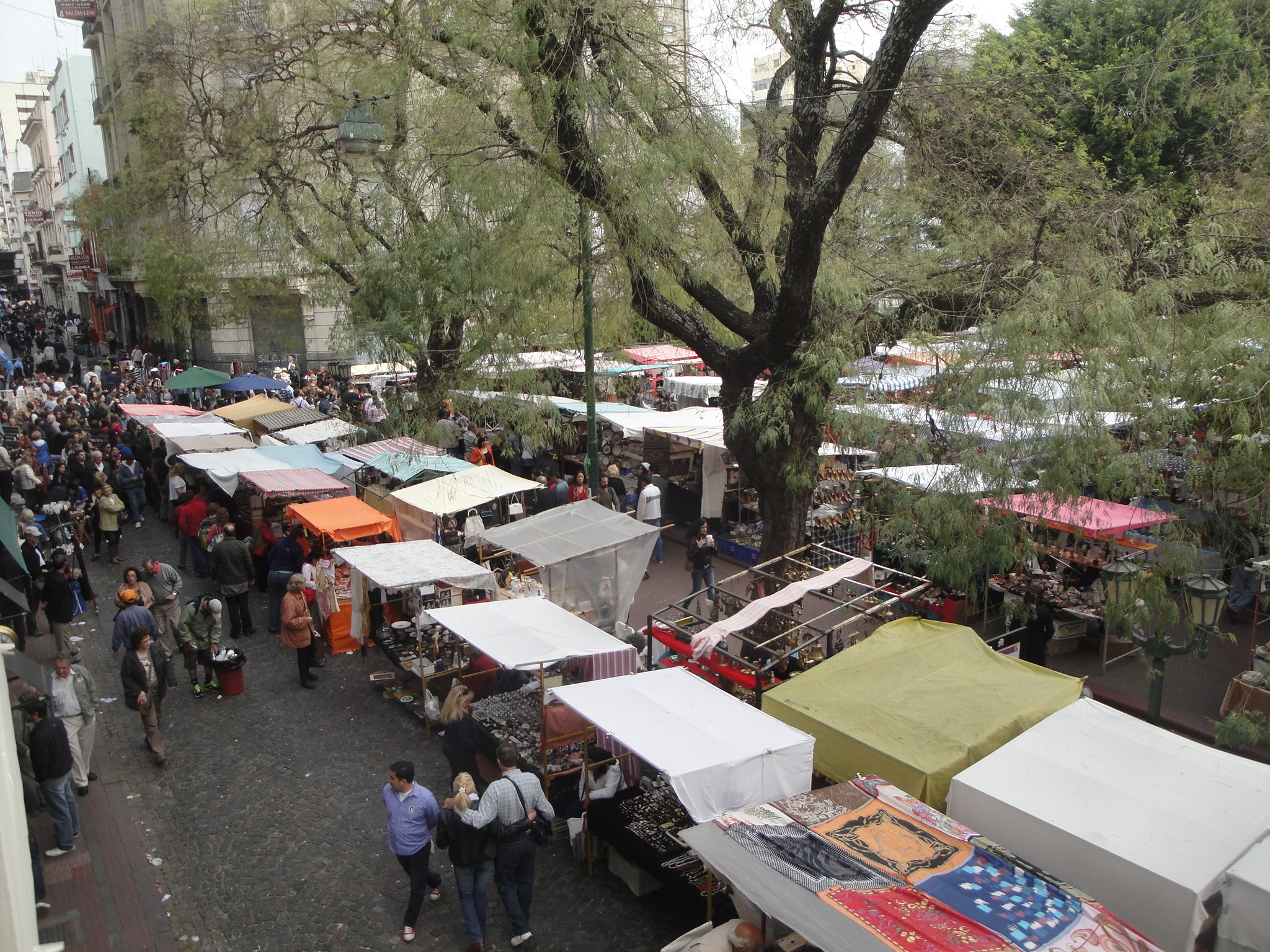
Argentina has been through a lot politically and attracted a large European influence which is evident in so many ways, not least in the variety of wonderful food on offer. The city still appears to be safe, a city that you can buy an ice cream until around 2am, a city where most people don’t venture out for dinner until after 10pm and a city where the elderly take evening strolls apparently without any fear. San Telmo flea market on Sunday continues to be an amazing experience, La Boca with all its coloured houses and Florida street with its throngs of people seem to be thriving. Palermo has a charm of its own with many beautiful houses mostly now embassies but a legacy of the wealthy who once lived there. The cemetery where the relatives of the deceased try to make the “sites” devoted to their loved ones even bigger and better than the next has a surreal feel about it, and Guy’s comment when he felt he had seen enough was classic “shall we leave here now and rejoin the living”.
But it is not all positive. Puerto Madero continues to expand, and on the other side of the estuary the whole area has been developed into a souless wilderness. SO many highrises, each one taller than the next, (built with laundered money according to our guide Eduardo) mostly apartments but some office buildings and hotels as well.
But the saddest thing to my mind is the incredible litter. Bags of rubbish are everywhere, cigarette ends, plastic bottles and bags, cardboard boxes, leaflets and last but not least dog mess which nobody seems to pick up. It is such a shame that the government, of whom not one person in the month we spent in Argentina had a single good thing to say about, has not put in place the control of this burden on what is (in my mind) a beautiful city.
 thebunguycord