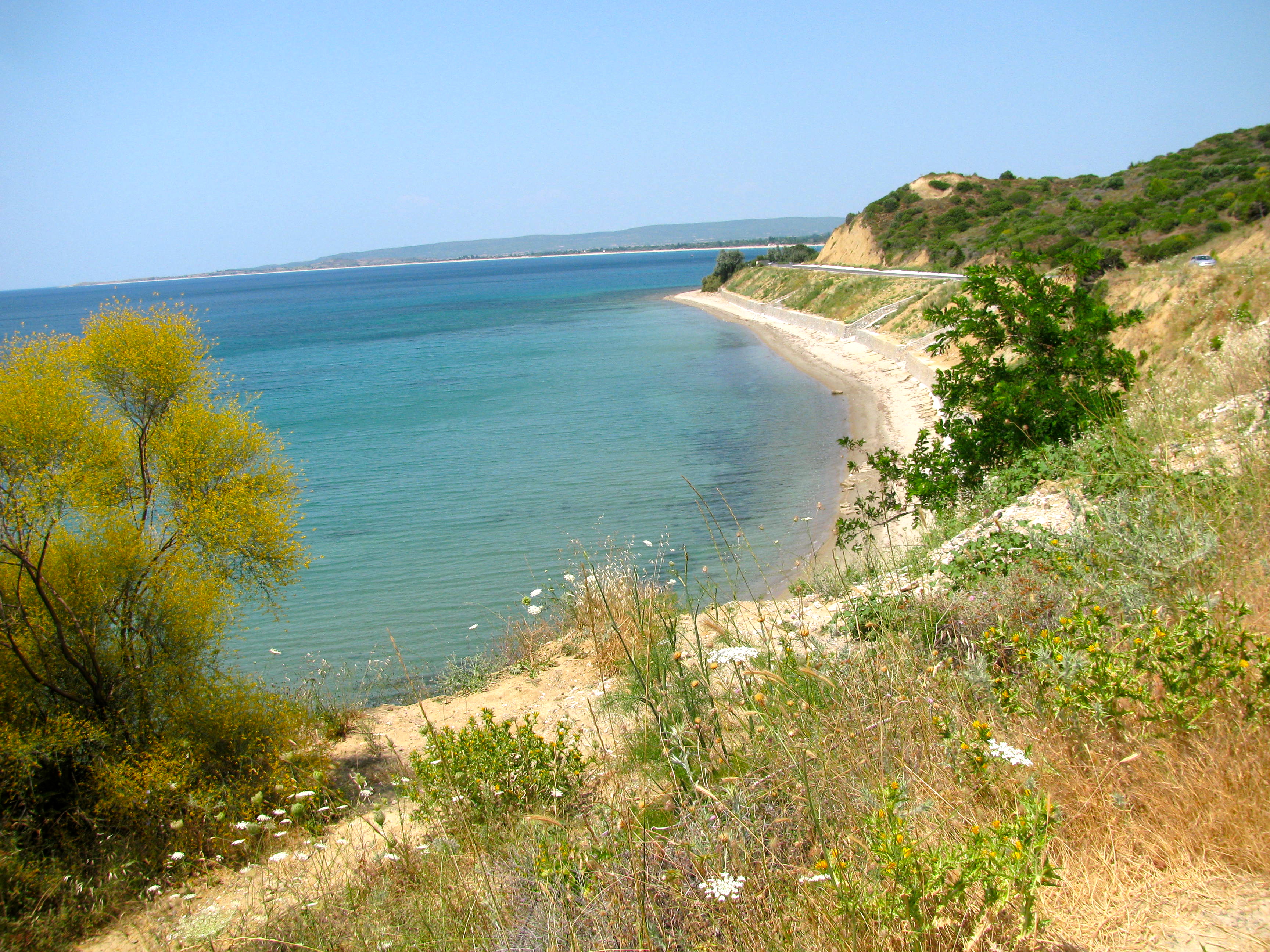
Gallipoli…. It is, in fact, impossible to convey the mix of emotions that flood the brain in areas such as this. The waste, the carnage, the mistakes, the bravery, the arrogance, the sheer courage, the mixed analysis of the idiocy of it all while also comprehending the military brilliance of the idea, if not the execution. During (as the disaster unfolded for the invaders) and after, there was plenty of blame-sharing and distancing. People at the table when decisions to proceed were made were overcome with amnesia. Big and Small, Grand and Bold. Human strength and weakness. Boldness that almost worked. The losses of nerve that led to disaster and failure. The mind-blowing courage of those who gave it all. No one took credit or blame for the army invasion of what was (arguably) only approved as a limited naval campaign. No one is clear (blame sharing) but the argument would go that only a limited naval campaign was approved by the British government (as proposed by Churchill) to secure control of the Dardanelles which is the only passage from the Mediterranean to the Black Sea. The bold thinking had two parts: (1) getting control of the straits meant that the Allies could supply Russia from the south in winter, and (2) the Turkish army was thought to be so weak that Germany would have to divert troups and resources from Europe to assist the Turkish army and doing so would weaken the German positions in Europe. So it goes with grand plans. The naval campaign, limited or not, was itself a disaster. Limited gains were made by the British and French navies until they simply lost too many ships (6 major battleships in a few days). Then the Admiral in charge became “ill” (some say he lost his nerve). So the naval campaign was broken off. This gave the Turkish army a 6-week heads-up that invasion was likely. Even with the warning however, the Turkish army did not make all the preparations that it could have. Its forces were small, ill-equipped, and disjointed. Since the movie “Gallipoli” in the 1980s much has made said, done, and made over the tragedy. Much of it focused on the ANZAC (Australian-New Zealand) troups who achieved great success on the very first day only to have it thrown away, who were used as cannon-machine gun fodder in the new mass-killing warfare of WWI, and who showed incredible courage in the face of their imminent known-death. Some 8,300 or so of them died at Gallipoli. That’s bad enough. Five times that many British soldiers died and more Indian and Gurka troups. The focus outside of Turkey is almost always from a European-ANZAC-centric perspective. Yet, more than twice as many Turkish soldiers died than the cumulative total of all of the ANZAC, British, and other soldiers. It has been estimated that about 600,000 young men were the casualties on both sides—dead and wounded (about 60% of the number of men on both sides). No one knows for sure. The devastation was too great. That’s about 100 casualties per hour, night and day, every day of the campaign. Heros were made. Careers and lives ended. Conceived by a young Winston Churchill as a way to end the war early. Instead it almost ruined his career. Ataturk was a back-water Lieutenant Colonel with a very small regiment assigned to the Gallipoli peninsula. His leadership and heroism made him a national hero and eventually the leader of the new country of Turkey. He is revered to this day in Turkey. Arguably, Gallipoli sowed the seeds for the Australia and New Zealand independence. It sowed the seeds for what is today a unified Turkey. The difference between plans and execution: In the first day, the ANZAC troups achieved the strategic goal of the entire campaign but abandoned the goal because they didn’t know what to do with it and because they feared a counterattack. On the first day, the 160 or so Turkish troups ran out of bullets and retreated. Ataturk ordered them to fix bayonets and march around looking like an army and the ruse worked. The invaders stopped their advance and that gave the Turkish army time to replenish its troups. Later, when the British landed another 63,000 troups, Ataturk led his army under the cover of dark to within 100 feet of the British before attacking. The resulting rout is what ultimately prompted a complete withdrawal from Gallipoli. Ataturk gave this profound speech in 1934: “Those heroes who shed their blood and lost their lives! You are now lying in the soil of a friendly country. Therefore rest in peace. There is no difference between the Johnnies and Mehmets to us where they lie side by side here in this country of ours. You, the mothers, who sent their sons from far away countries wipe away your tears; your sons are now lying in our bosom and are in peace. After having lost their lives on this land they have become our sons as well.” That may be a true sentiment, but what a price…..ANZAC beach today. The 8,000 ANZAC troups landed here on day 1 essentially unopposed by the Turkish troups (all 160 of them) which enabled the ANZAC troups to achieve the strategic objective of the entire campaign on day 1……. Posted on August 3, 2012 by thebunguycord Reply
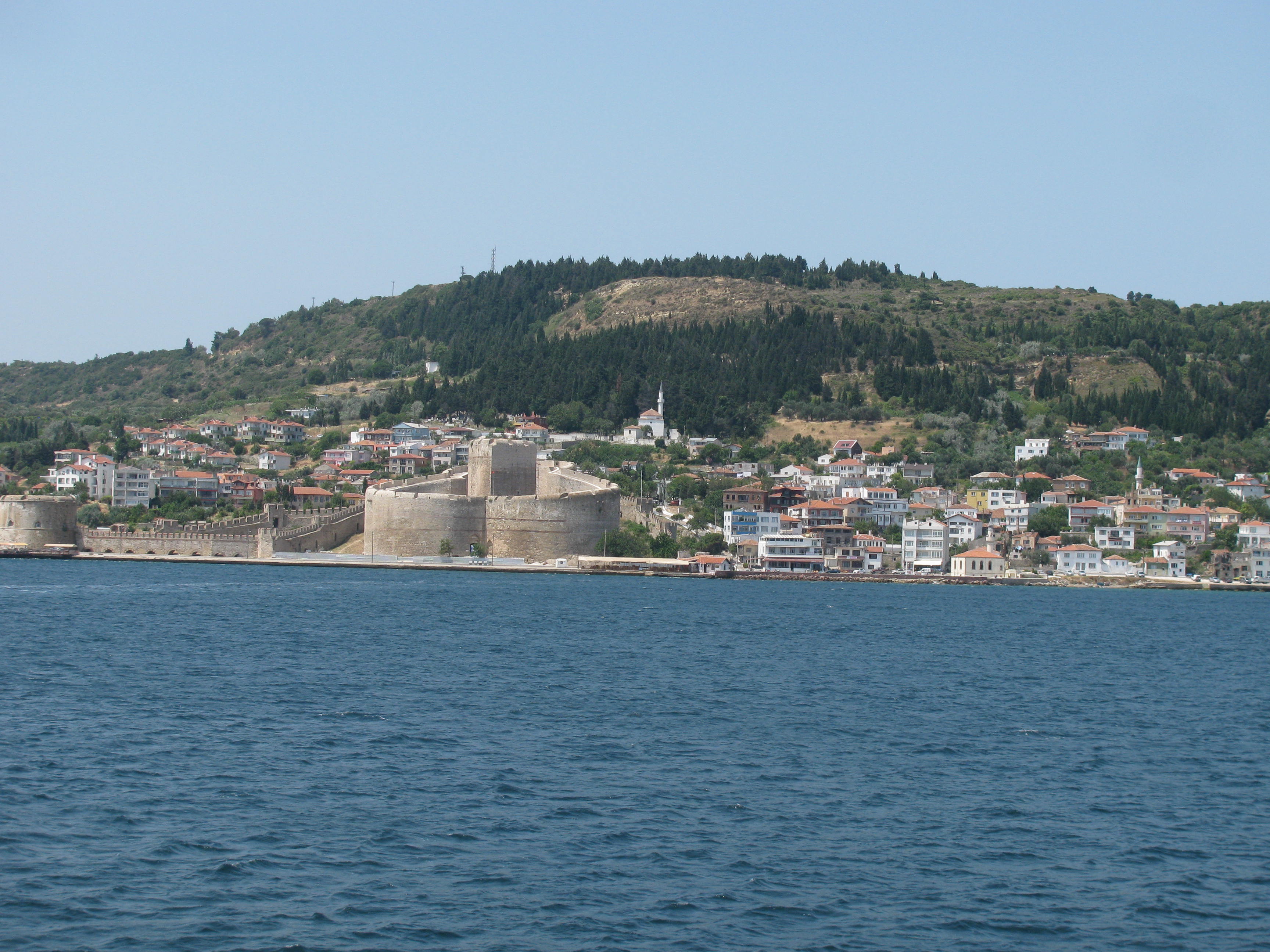
The Turkish fort opposite Canakkale at the base of the battleground. This fort was instrumental in stopping the naval invasion by the British and French fleets by sinking many ships including 6 battleships in the waters between Canakkale and the fort in front of us. The naval campaign was aborted when these losses occurred and the commanding Admiral of the British fleet lost his nerve and pulled back. This gave the Turkish army 6 weeks to prepare for the land invasion. Posted on August 3, 2012 by thebunguycord Reply
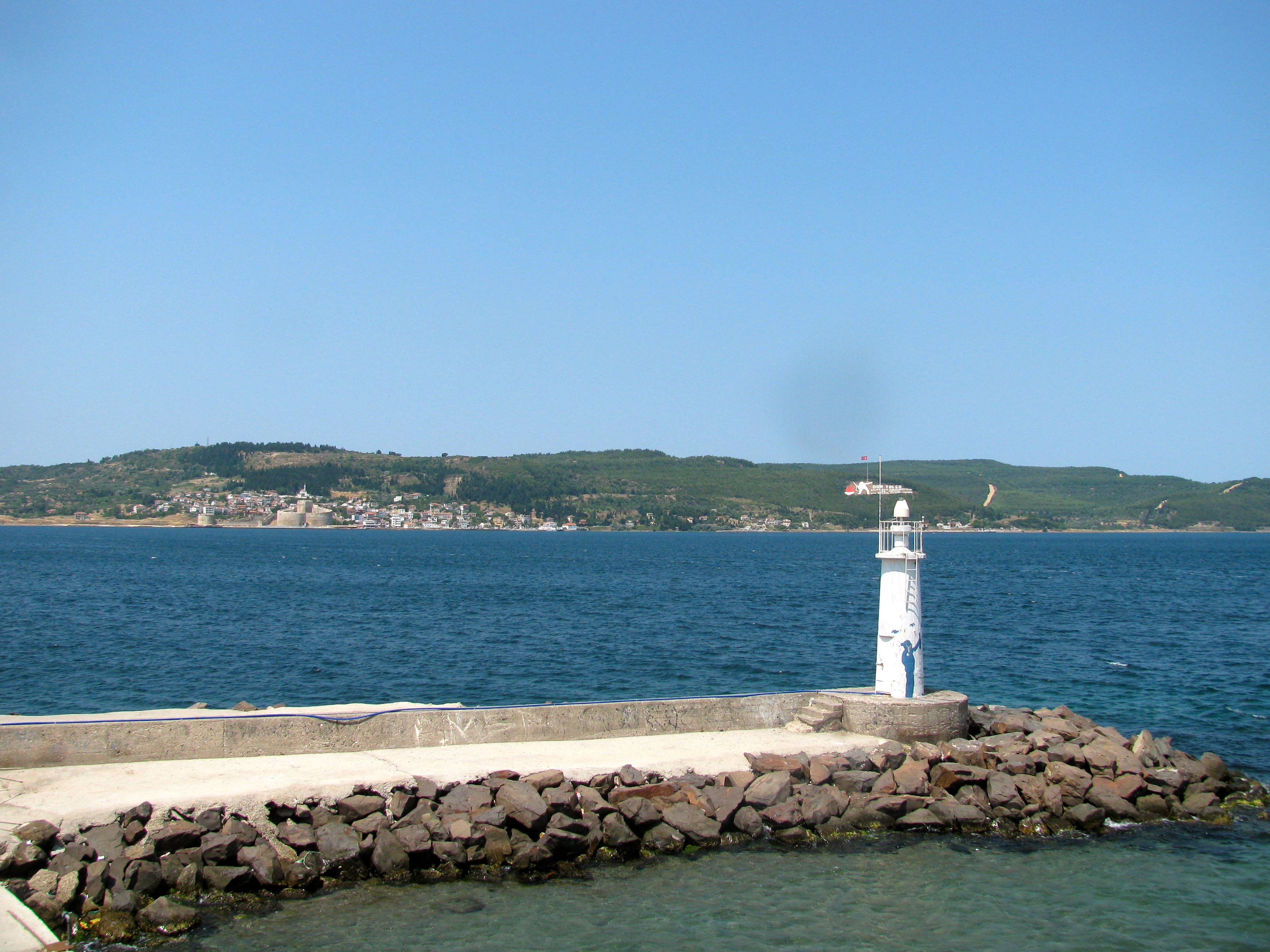
Looking across the narrow strait from Canukkale. The strategic objective of the campaign was control of the ridge opposite and thereby control of the Dardanelles itself—in the foreground. The fighting occurred on that ridge. Posted on August 3, 2012 by thebunguycord Reply
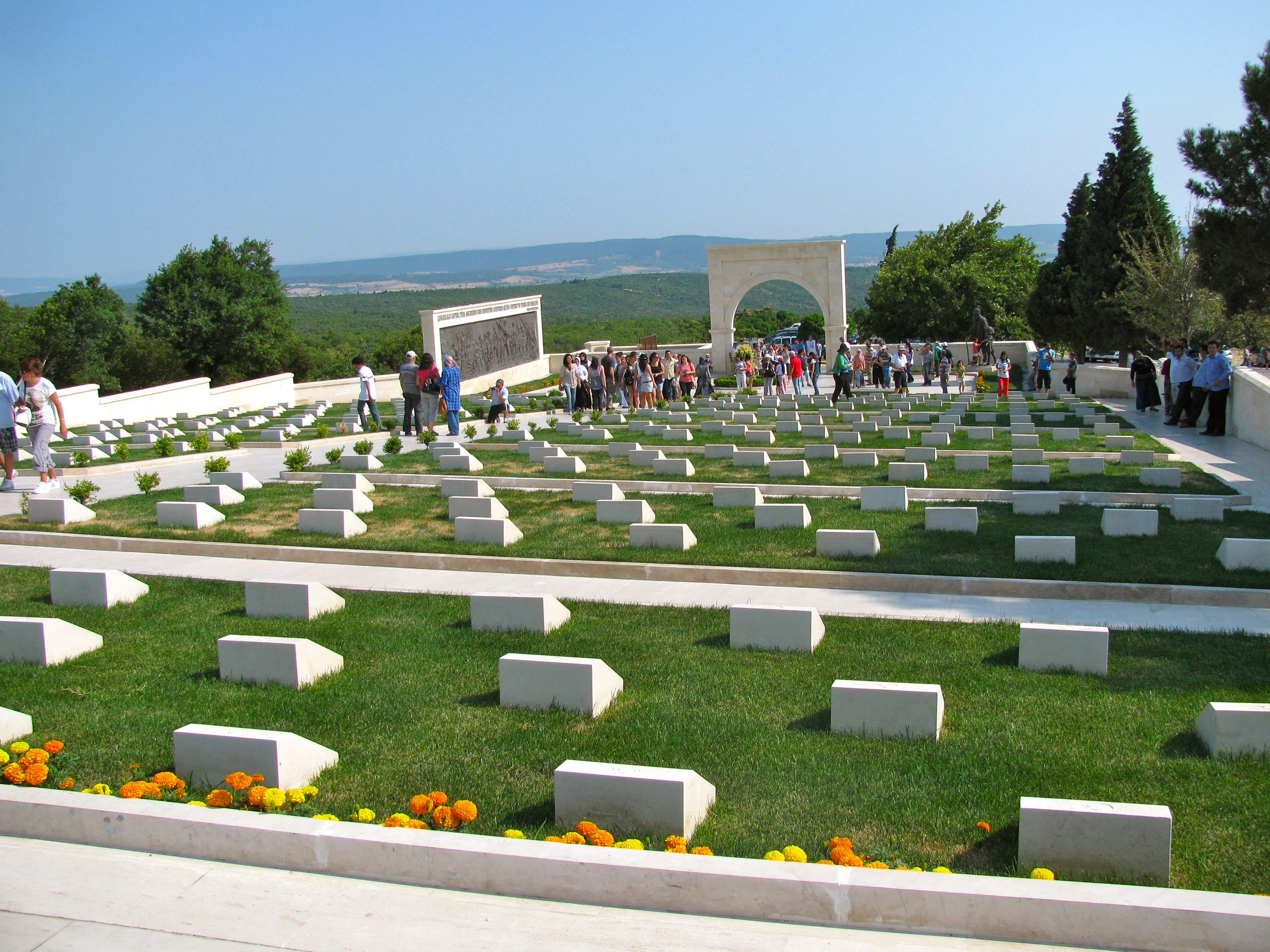
A rough estimate places 86,000 Turkish soldiers in the mass graves marked here. No one knows or knows much about “who”. Posted on August 3, 2012 by thebunguycord Reply
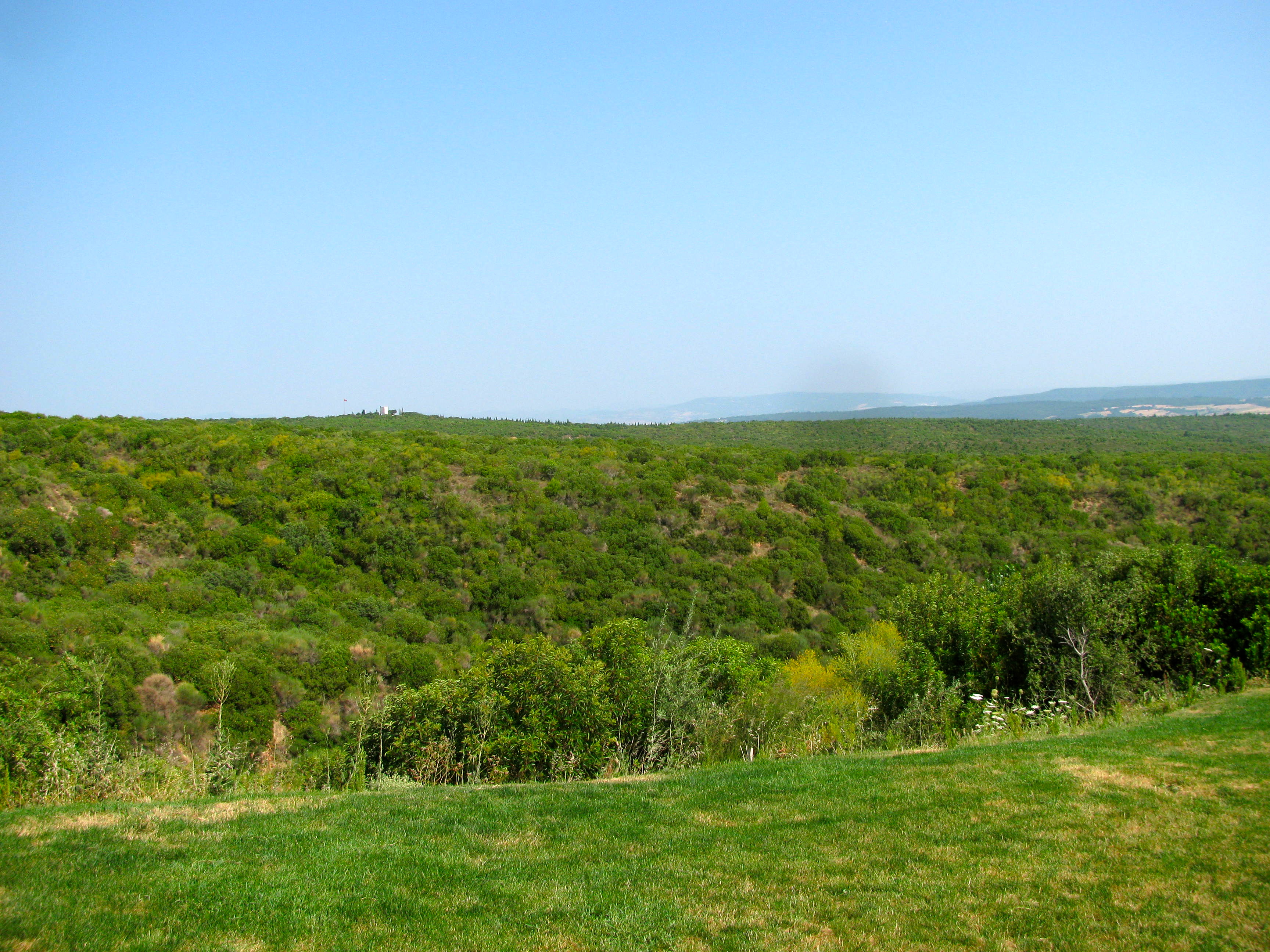
Almost all of the fighting occured between this point and the white tower on the opposite ridge (see next picture). Mostly the sides’ trenches were separated by only a few hundred feet. Posted on August 3, 2012 by thebunguycord Reply
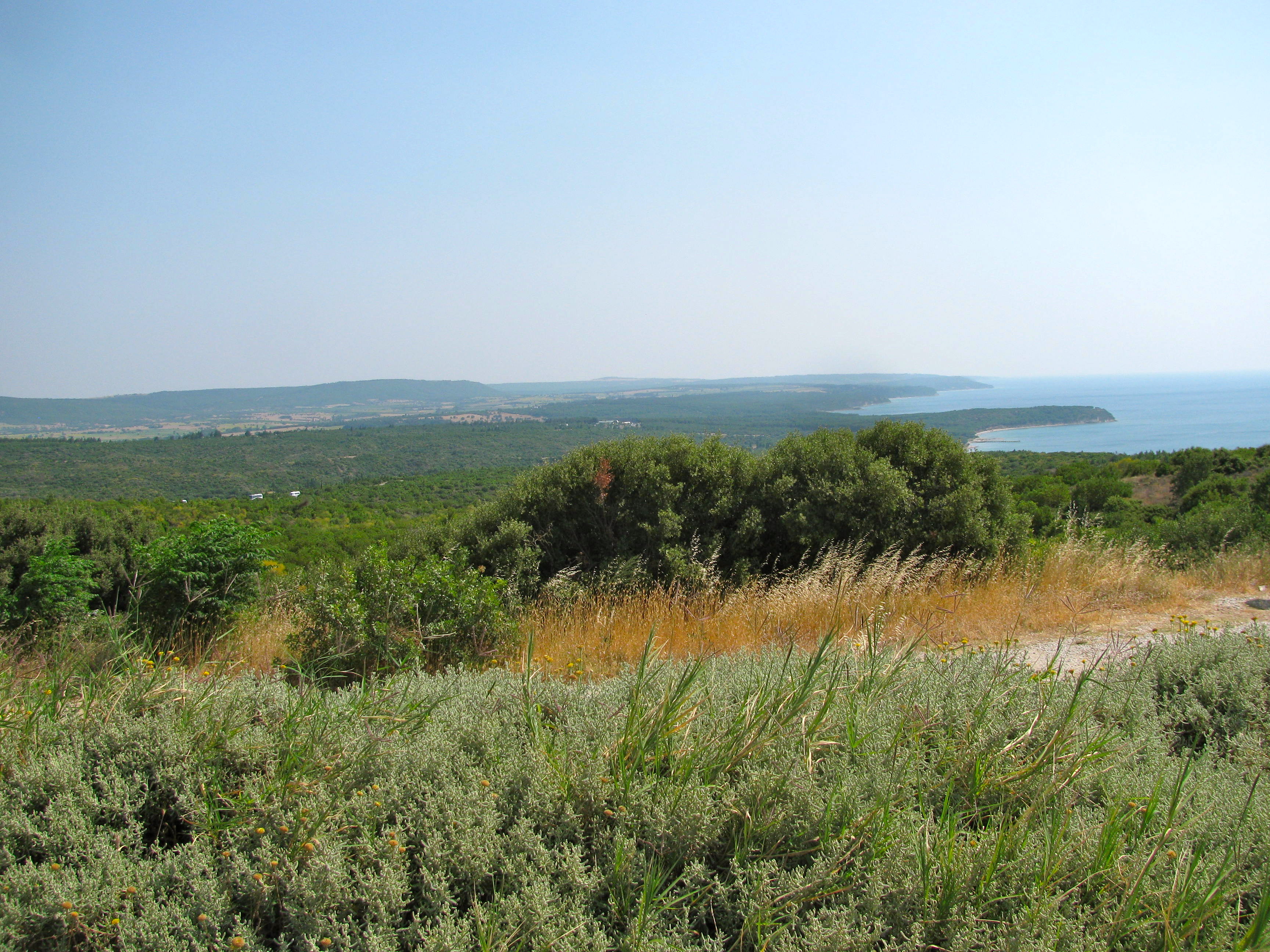
The view from the point which was the strategic objective of the entire Gallipoli campaign–control of this peak–which was achieved by the ANZAC forces on day 1, but because no one had told them what to do with it once achieved, they abandoned it also on the first day. It was regained by the Turkish army and the 600,000 following casualties were in pursuit of getting control of this spot again. It was never achieved. Posted on August 3, 2012 by thebunguycord Reply
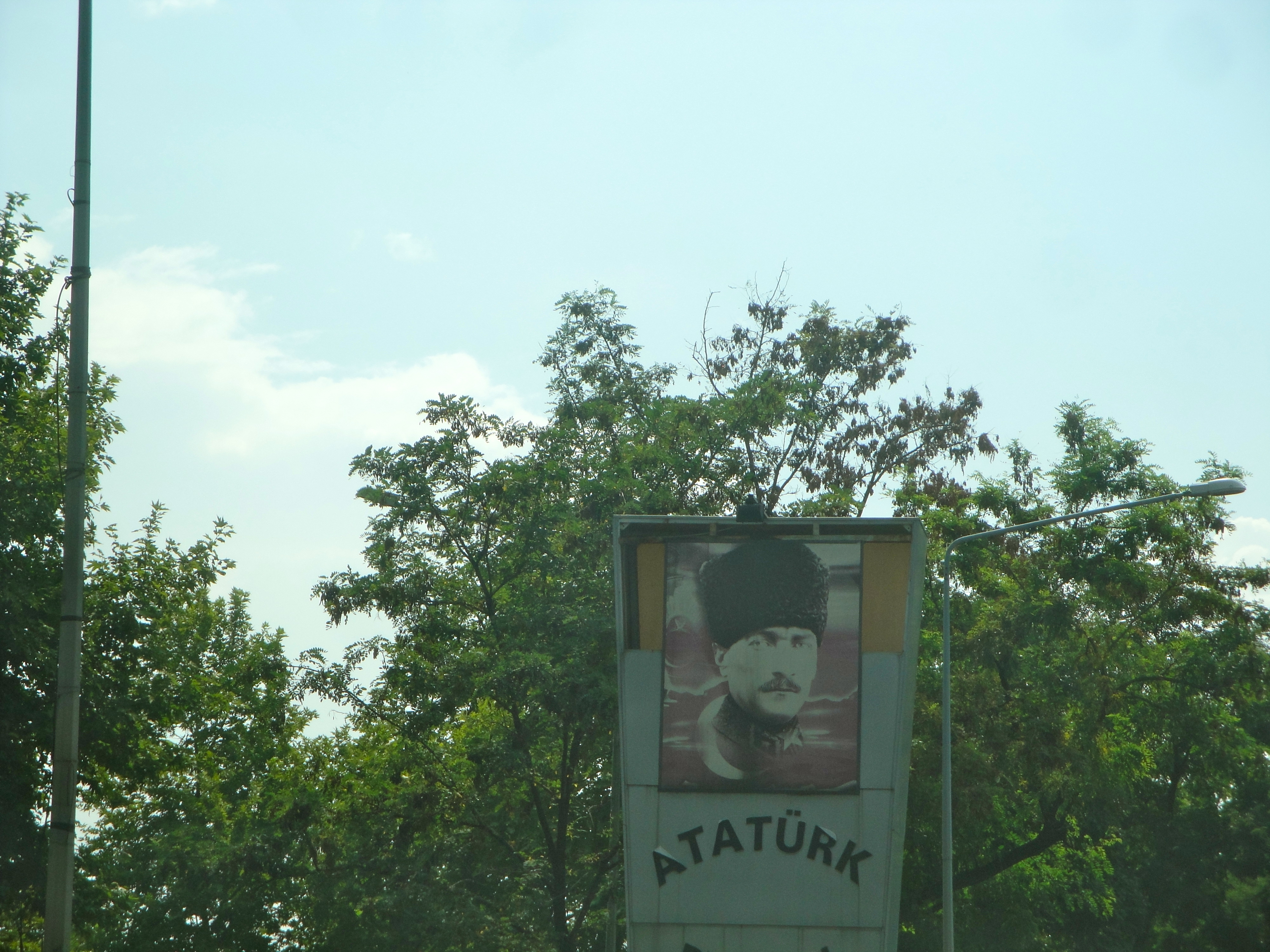
Ataturk–the dashing, courageous, handsome Father of Turkey. National hero propelled from a back-water position in the Army to prominence by his leadership at Gallipoli. In 1934, statesman, first President of the newly formed Turkey, and diplomat, Ataturk made the following speech at Gallipoli: “Those heroes that shed their blood and lost their lives…you are now lying in the soil of a friendly country. Therefore rest in peace. There is no difference between the Johnnies and the Mehmets to us, where they lie, side by side here in this country of ours. You, the mothers who sent their sons from faraway countries wipe away your tears. Your sons are now lying in our bosum and are in peace. After having lost their lives on this land, they have become our sons as well.” Such compassion, such forgivenesss. Posted on August 3, 2012 by thebunguycord Reply
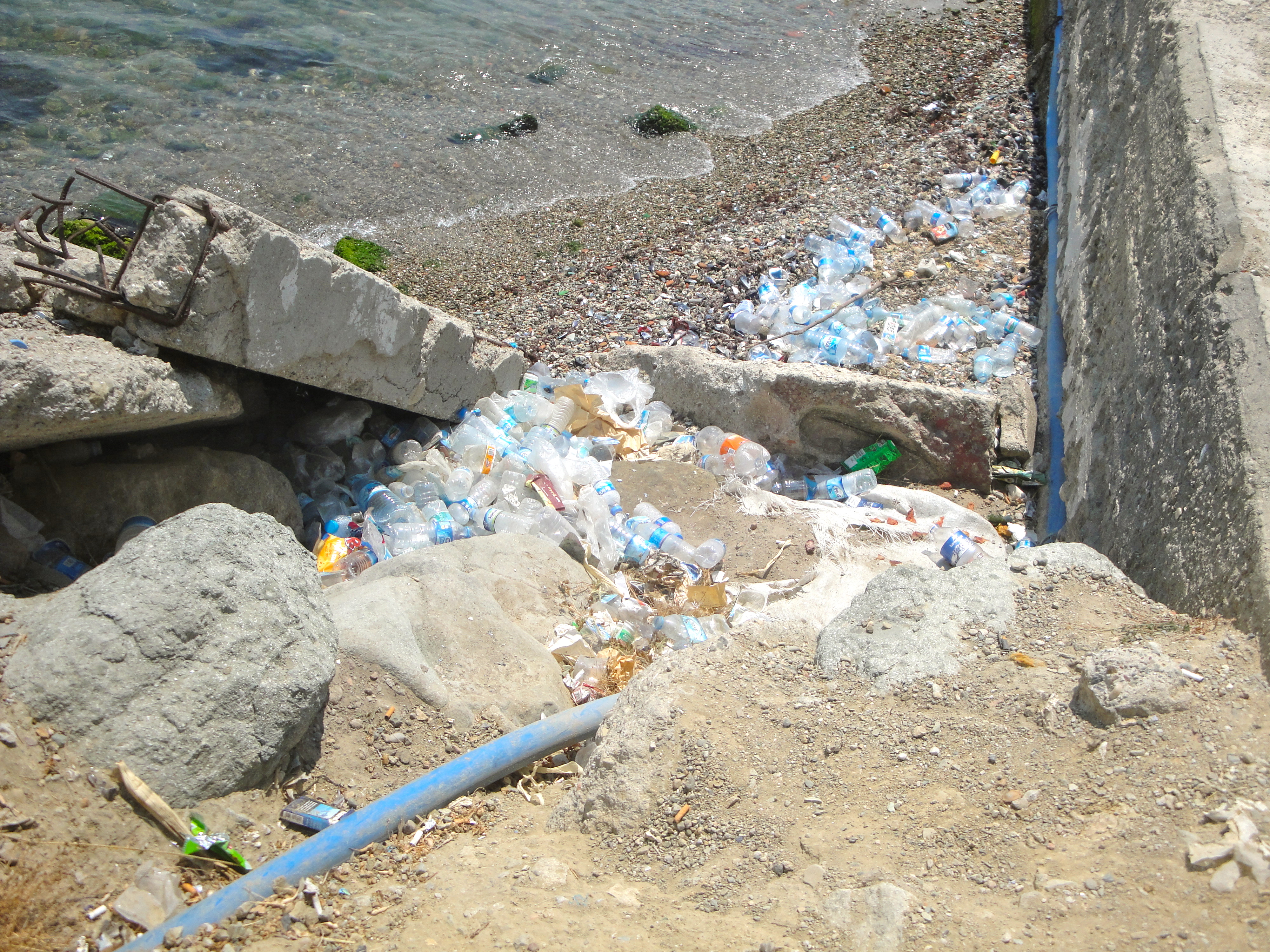
One of the unfortunate beaches of Gallipoli today–waste of a very different kind Posted on August 3, 2012 by thebunguycord Reply
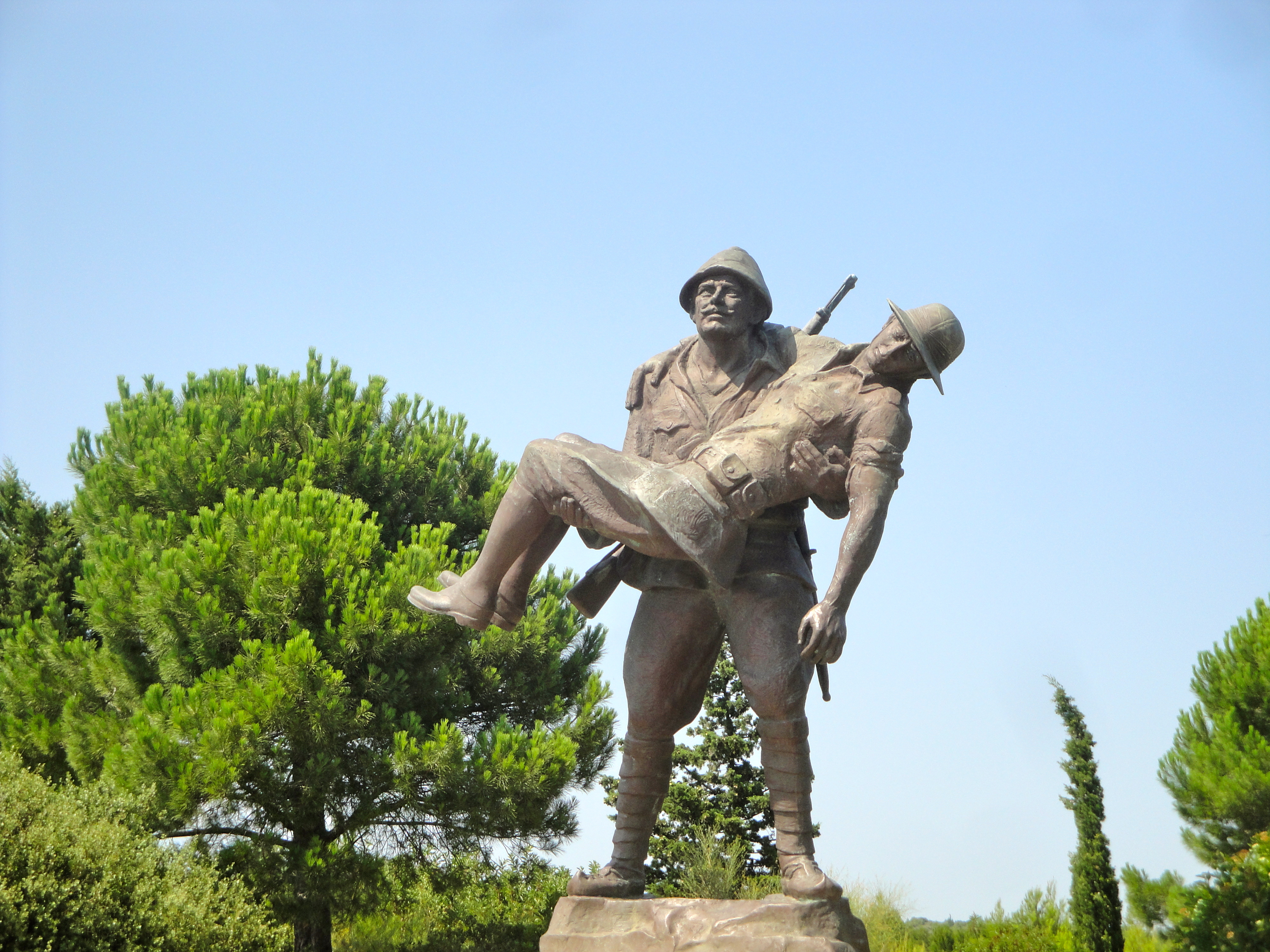
Among the many incomprehensible acts in the horrific brutality of this particular battlefront is this one. This statue was erected in honor of the compassion and heroism of the Turkish soldier who, after listening to a wounded British soldier in agony for way too long, finally attached a white flag to his rifle, climbed out of his trench, crossed no-man’s land, picked up and carried the wounded soldier back to the British trenches, laid him down, turned around and returned to his own trench…. all without a word. Posted on August 3, 2012 by thebunguycord Reply

 thebunguycord