The Main Man….. a simple airplane crash in Clear Lake Iowa became “the day the music died” Posted on March 11, 2014 by thebunguycord Reply
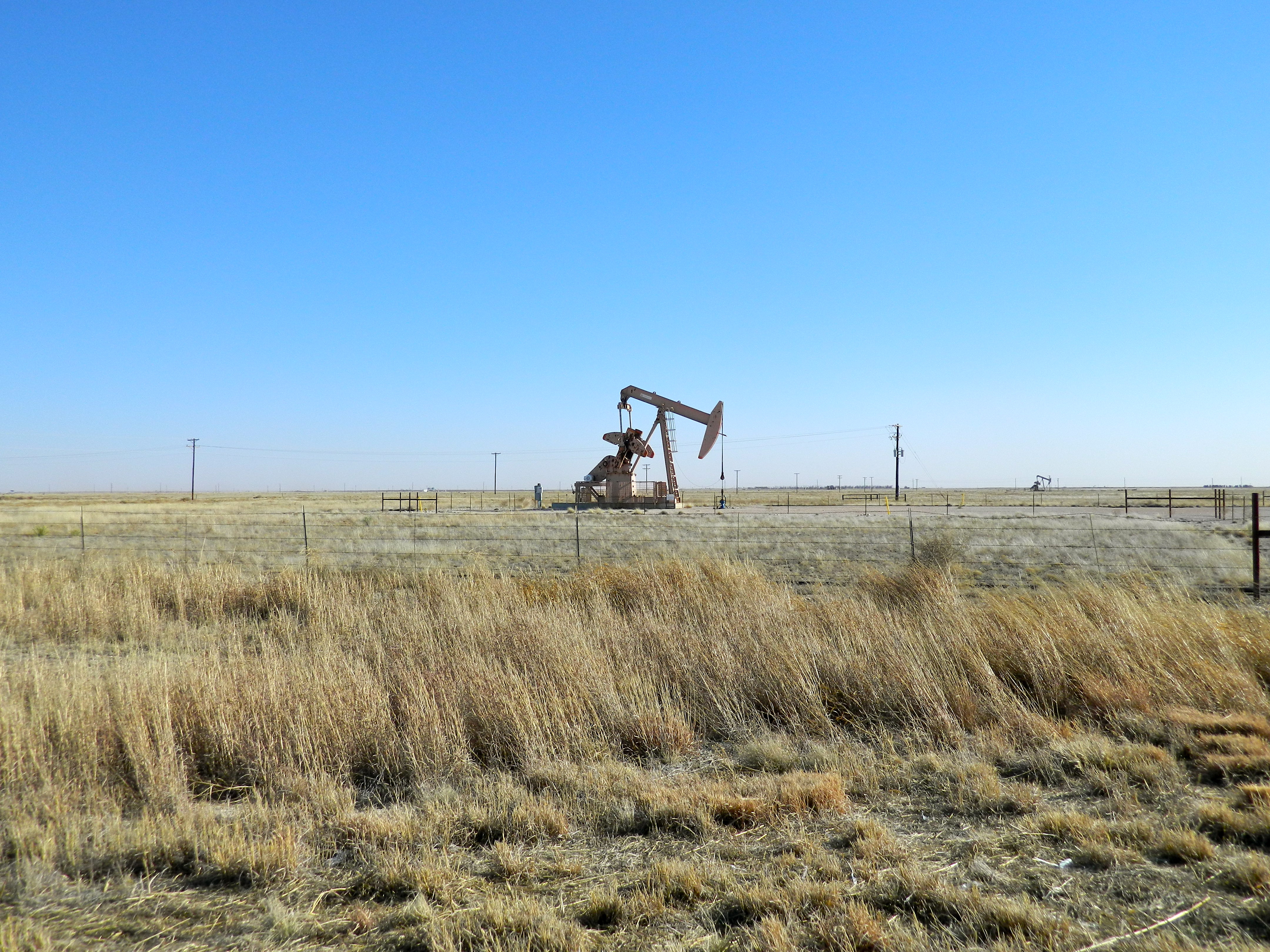
Not as many of these in operation in West Texas as there used to be. Posted on March 11, 2014 by thebunguycord Reply
Another long dusty road to Lubbock, Texas, home of Buddy Holly and the museum in his honor. Posted on March 11, 2014 by thebunguycord Reply
James White, owner of the Broken Spoke in Austin, is Bunny’s newest fan. Posted on March 11, 2014 by thebunguycord Reply
She’s a rootin-tootin cowgirl ready for a shoot-out at the OK corral…. or for a mule ride….. you decide. Posted on March 6, 2014 by thebunguycord Reply
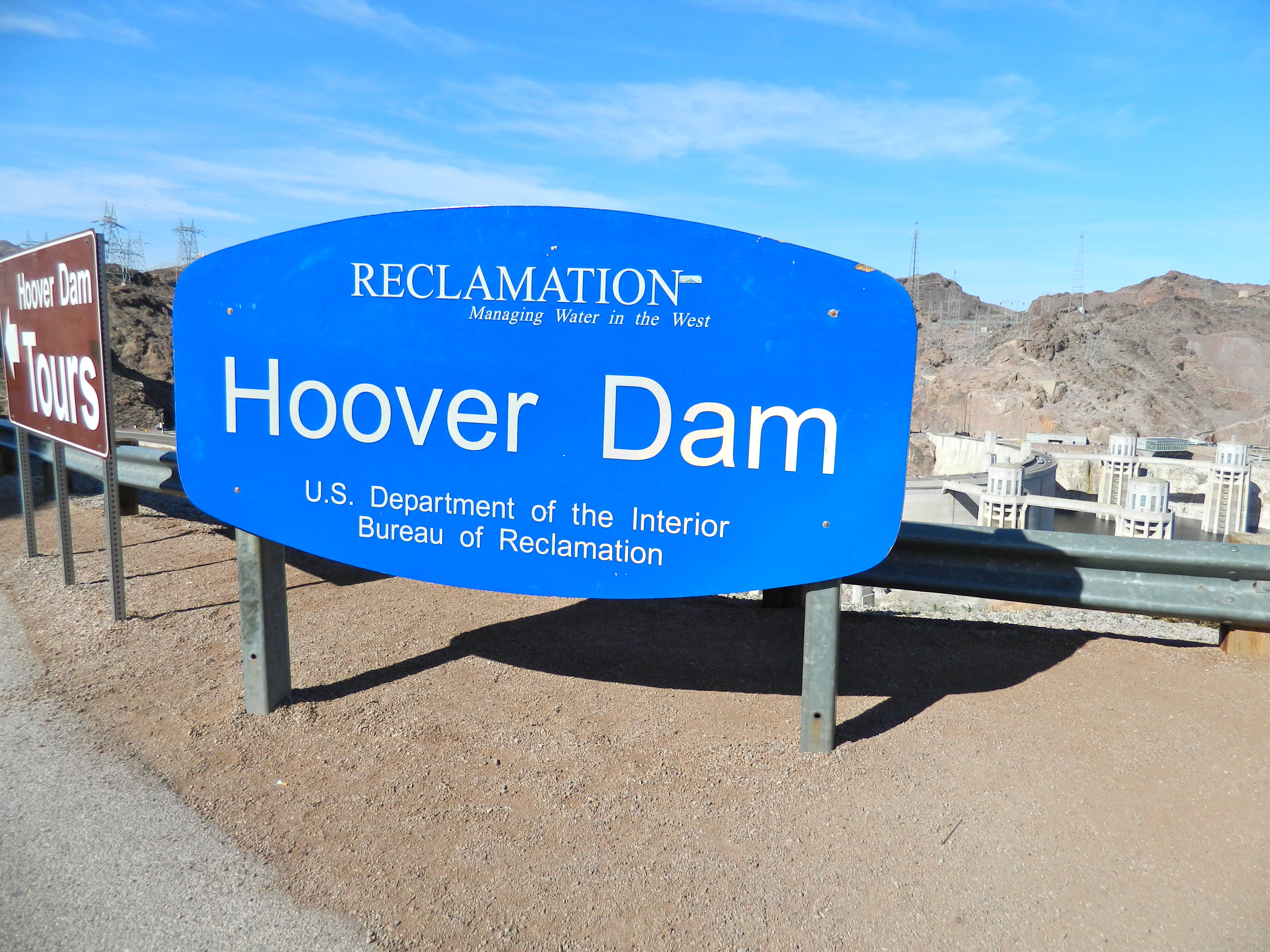
America has built an average of two dams per day since the Revolutionary War—busier than beavers we have built more than 75,000 dams. Hoover Dam represents a major breakthrough (from an engineering point of view) and a major shift in emphasis from small dams (the vast majority) to huge dams which Hoover Dam’s engineers pioneered. Once the basics were down, more huge dams were built throughout the West. Perhaps every Western state has at least one. In the dam-building frenzy little attention was given to the unintended consequences. For example, the dams on the Klamath River in Oregon and Northern California reduced the salmon runs from more than 100 million tons harvested per season to being an endangered species. The hundreds of millions of dollars that have been subsequently spent to mitigate the damages were never factored into the calculus to build the dams. As an economist I can appreciate that, in fact, benefit-cost analysis was invented as a part of the major national policy questions at the time whether to build these things in the first place. As a rudimentary “science” however, almost all of the costs associated with building the dams were missed. For that matter, most of the costs are still missed by what is still a rudimentary science which makes it easier for decision makers to ignore those costs. Posted on March 6, 2014 by thebunguycord Reply
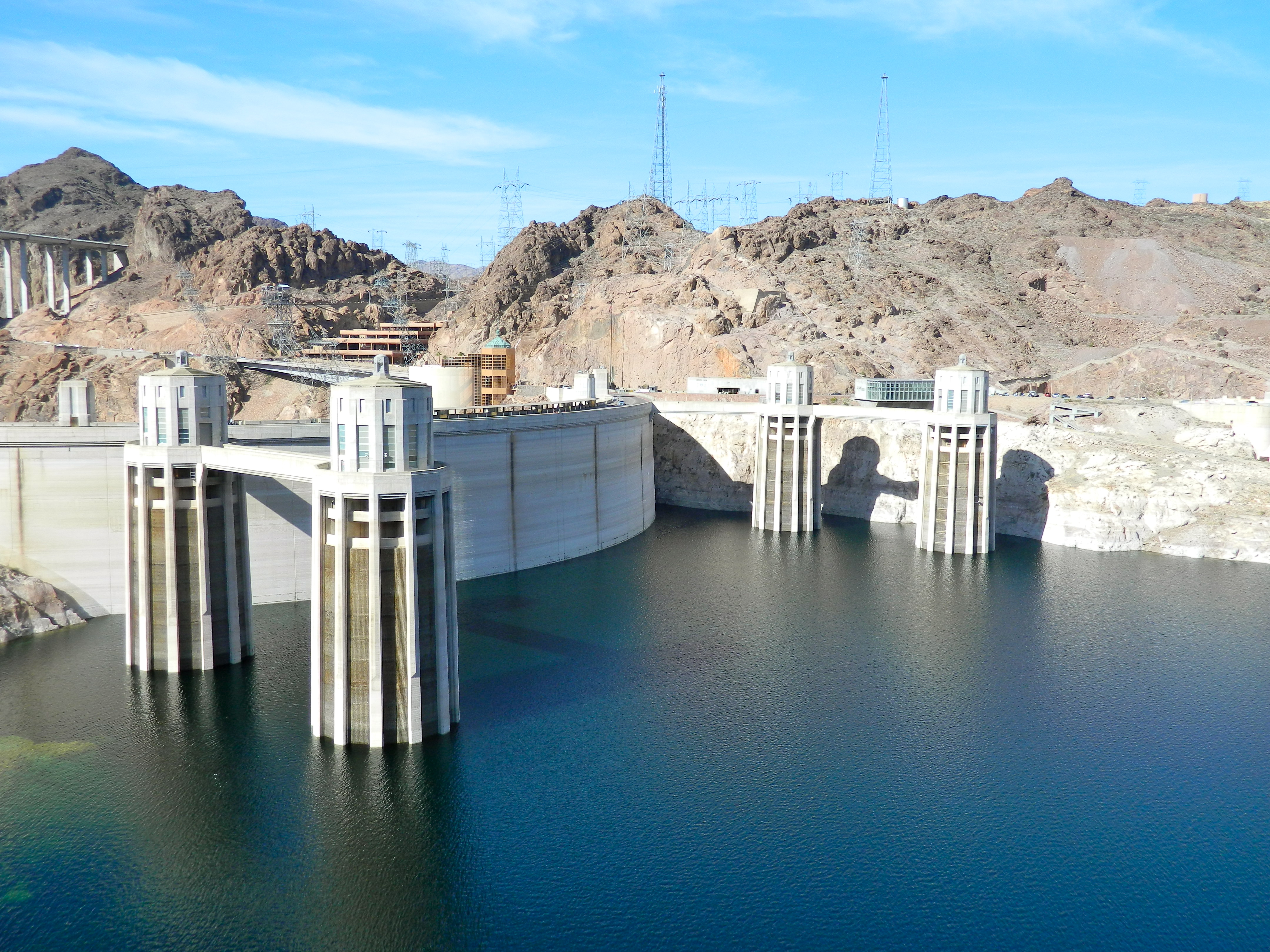
The upstream side of the dam showing the four inlet towers. The water flows through gates in the towers to the tunnels below. The gates run all the way up and down the towers so that they can control the level of the reservoir (when they have enough water flowing into the reservoir). Posted on March 6, 2014 by thebunguycord Reply
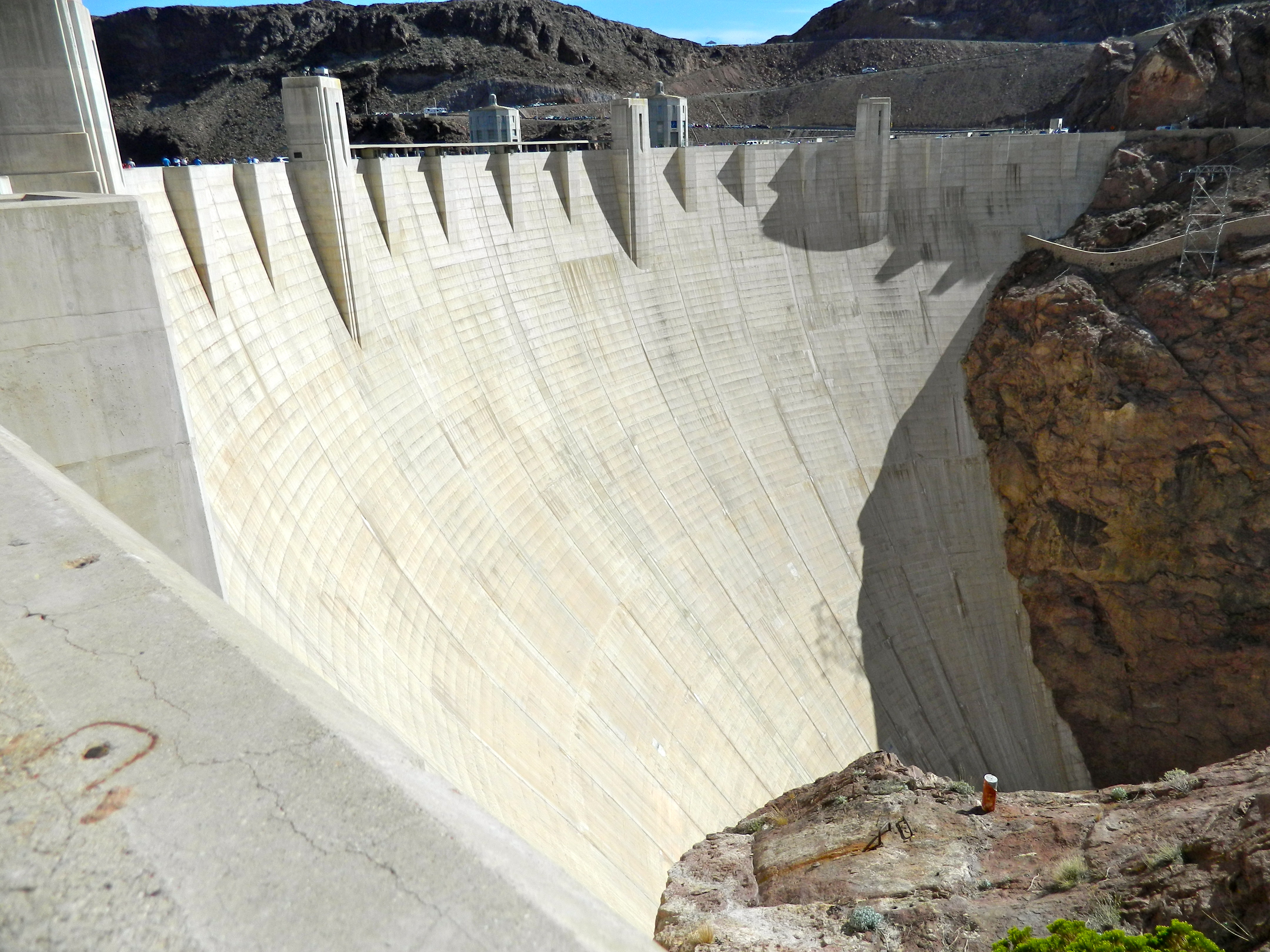
The water does not come over this 600 foot wall. If it did, it’d wash out the dam. Rather, the dam is honeycombed with tunnels and turbines which release the water at the bottom which maximizes the head–or the power–of the water. Posted on March 6, 2014 by thebunguycord Reply







 thebunguycord