It looks like some Byzantine dome-like structure was attached to the palace walls about 1300 years ago and did not last as long as the palace walls. Shoddy workmanship. Posted on June 18, 2012 by thebunguycord Reply
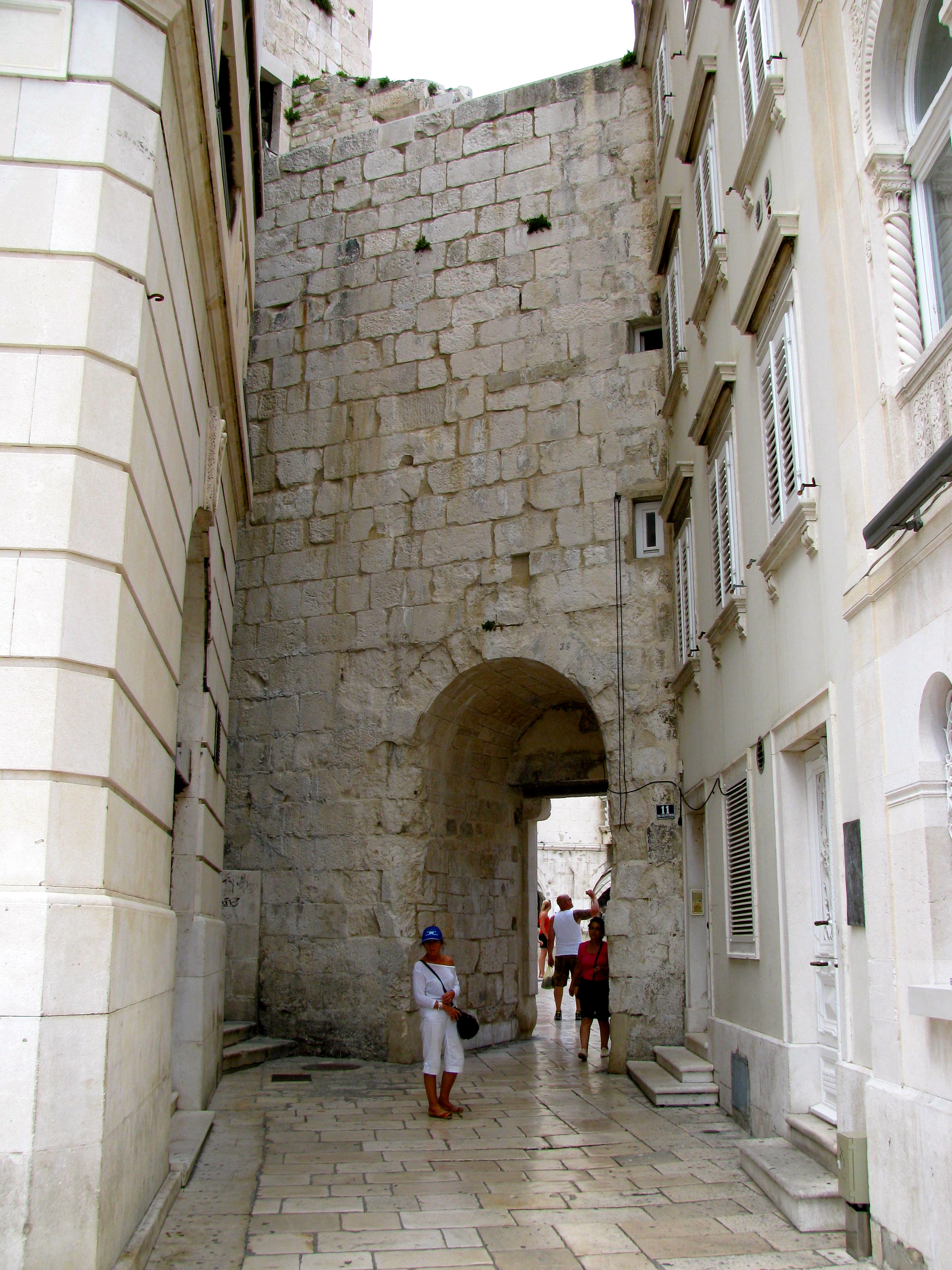
Surely Diocletian would not have entered through such a lowly gate….. this would be for small people. Posted on June 18, 2012 by thebunguycord Reply
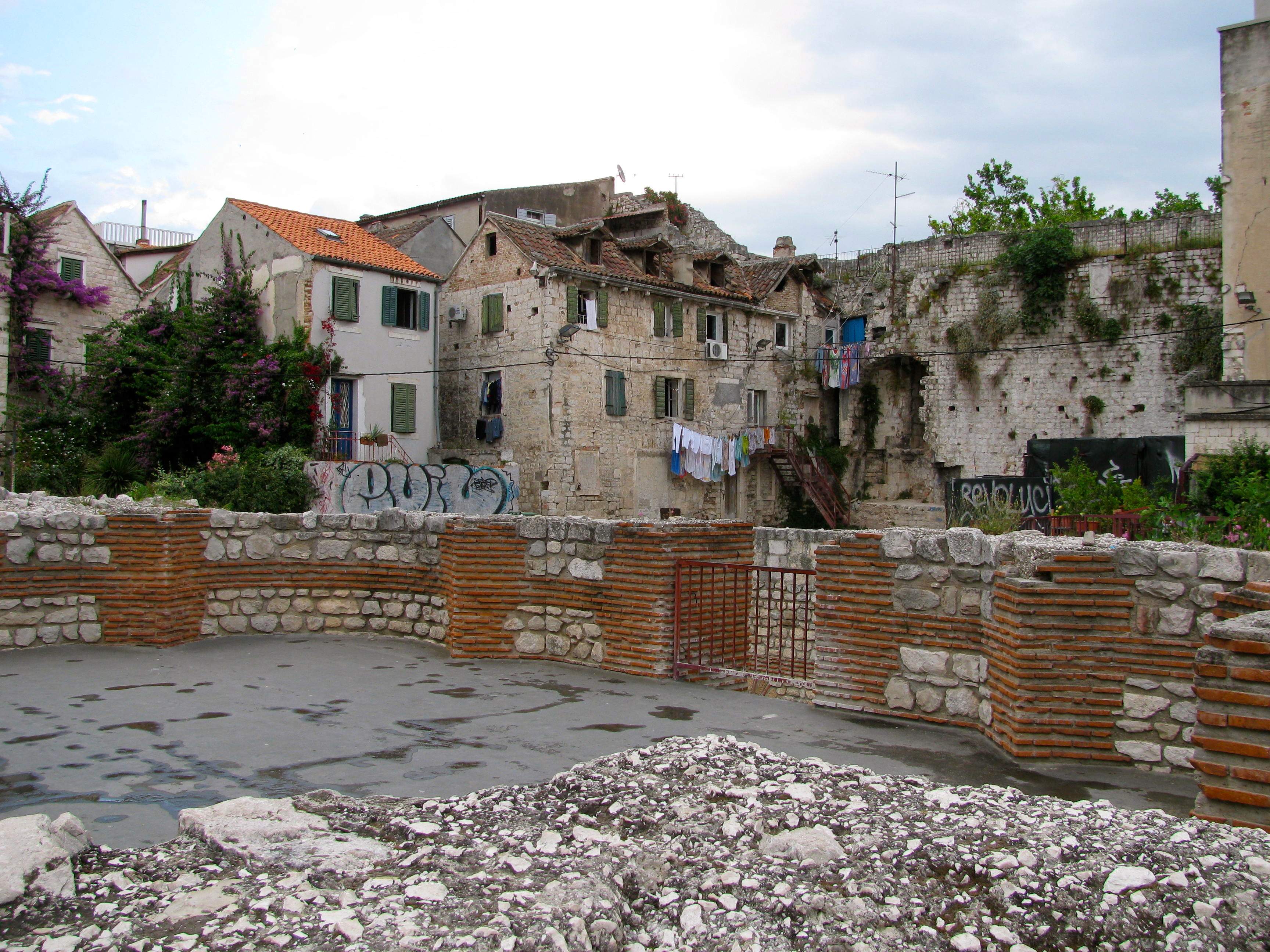
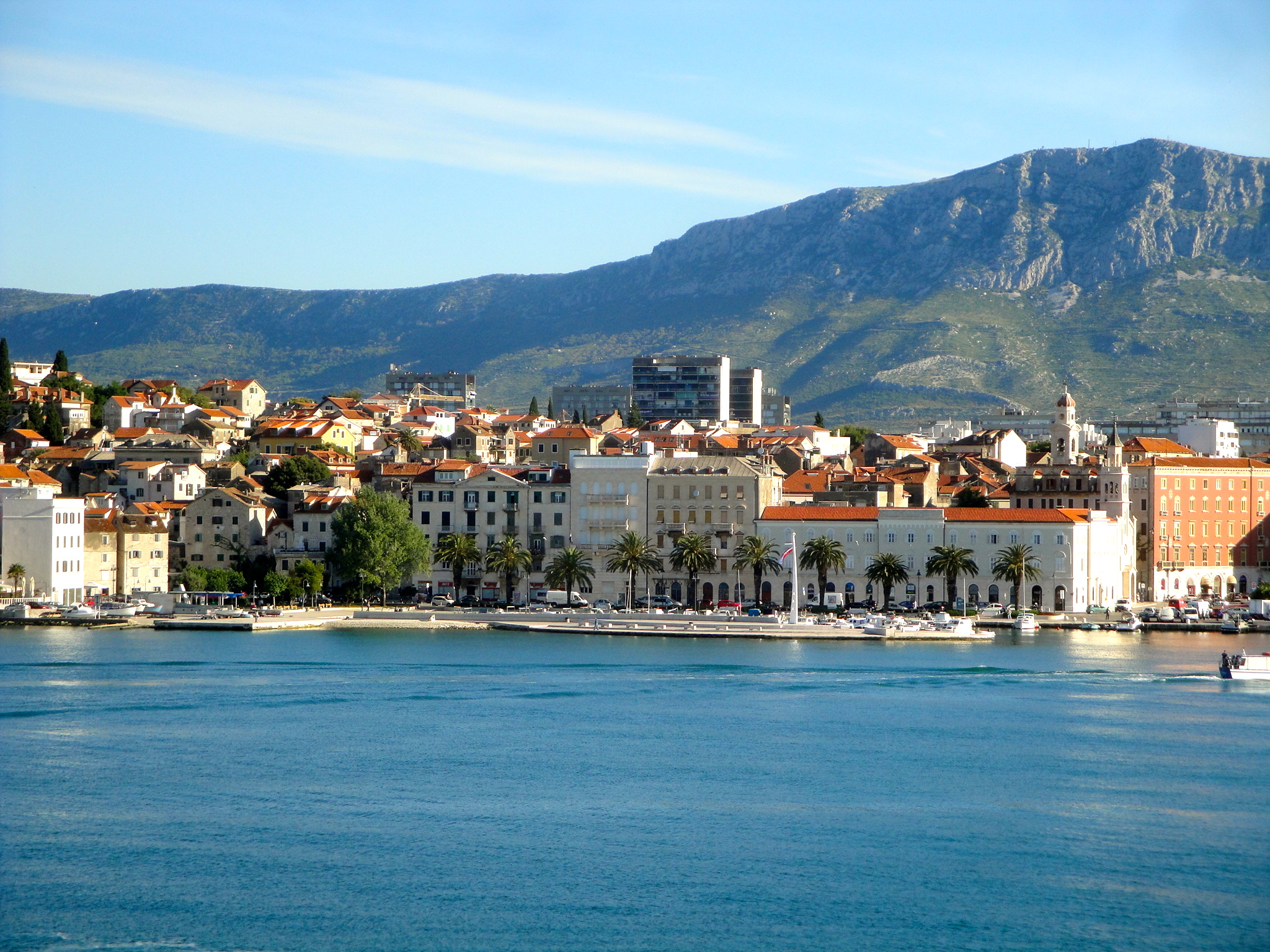
One of the exterior walls of the palace also showing how development has encroached from every direction. Posted on June 18, 2012 by thebunguycord Reply
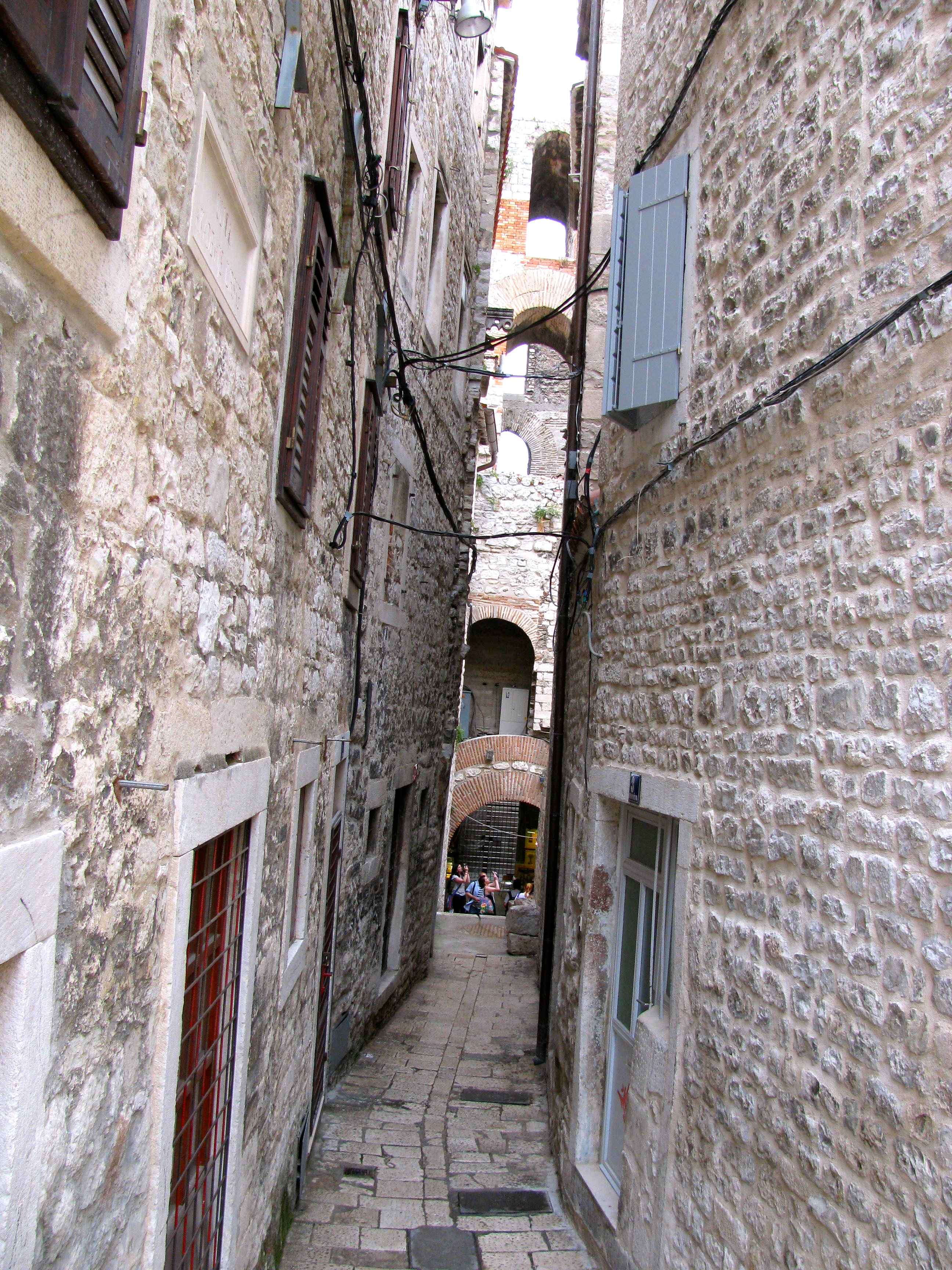
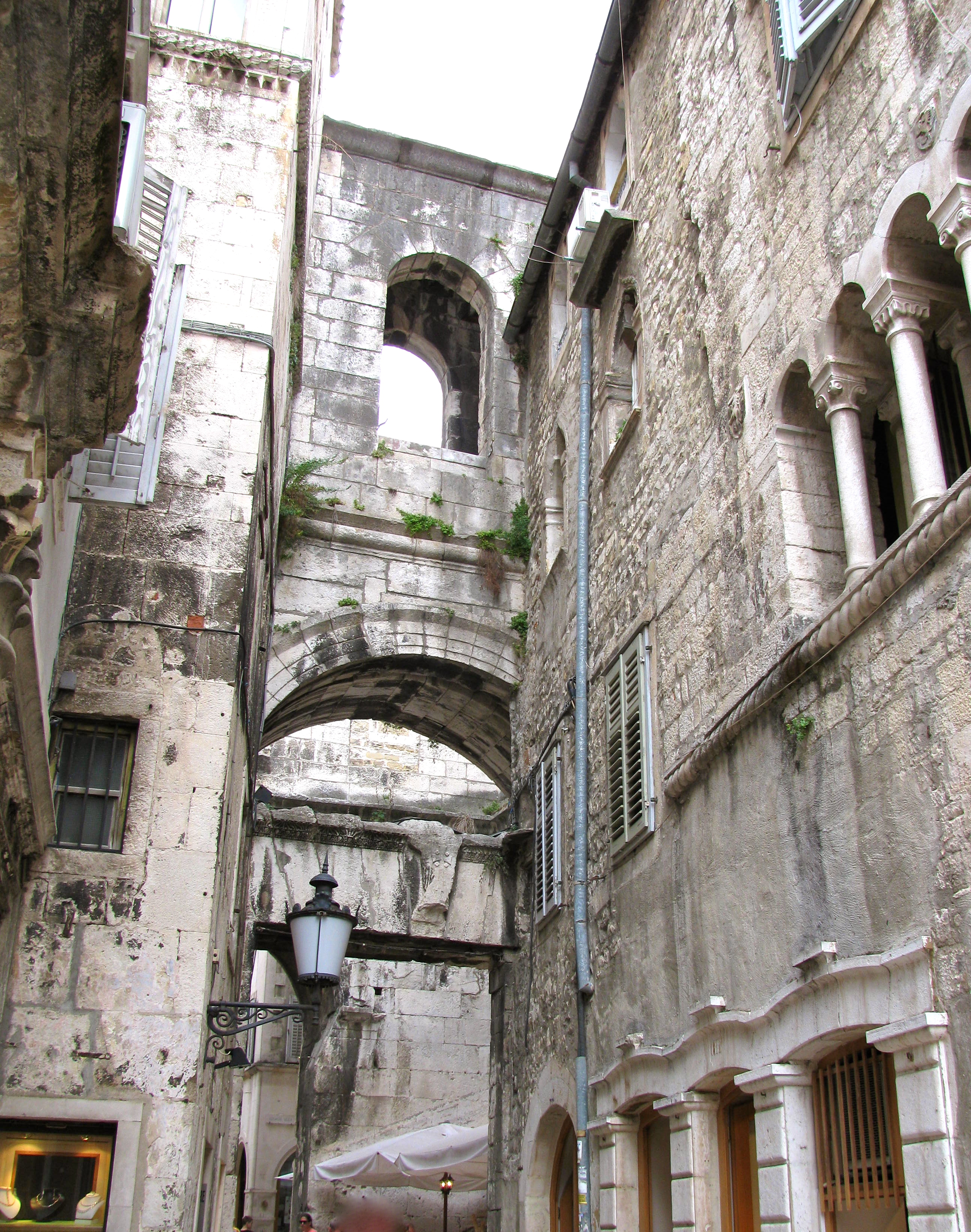
As they filled in Diocletian’s palace with new structures since the 7th century (it sat dormant for a few hundred years after the predictable conclusion of Diocletian’s retirement), space was so sought after that the resulting “public” streets got pretty tight. Posted on June 18, 2012 by thebunguycord Reply
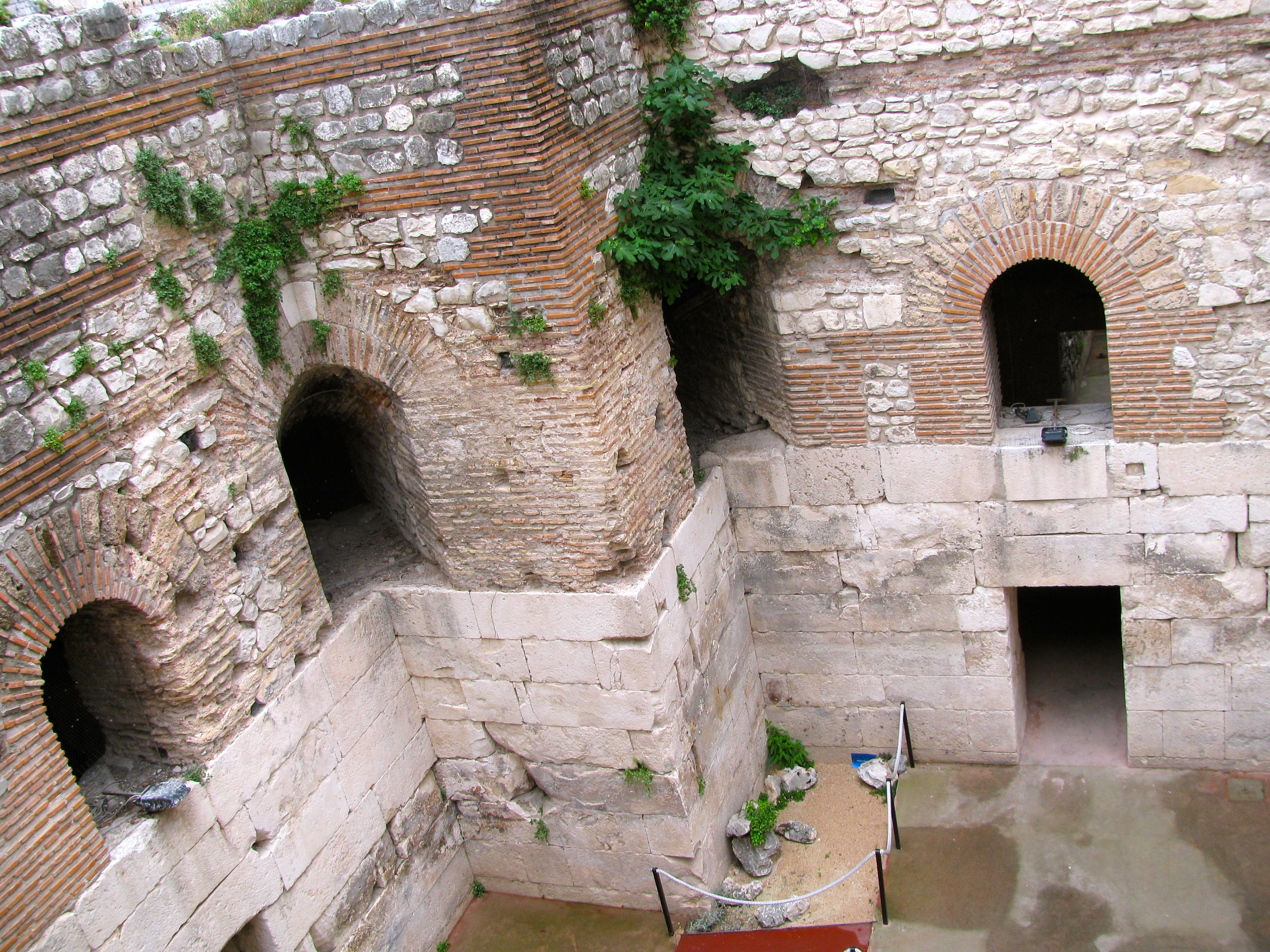
A tiny bit of Diocletian’s retirement palace. Note the arches built into the corners…. it would be a feat even today to build a palace with these features. Posted on June 18, 2012 by thebunguycord Reply
Another part of the palace taken over the centuries for residences. This is one of the palace interiors. Posted on June 18, 2012 by thebunguycord Reply
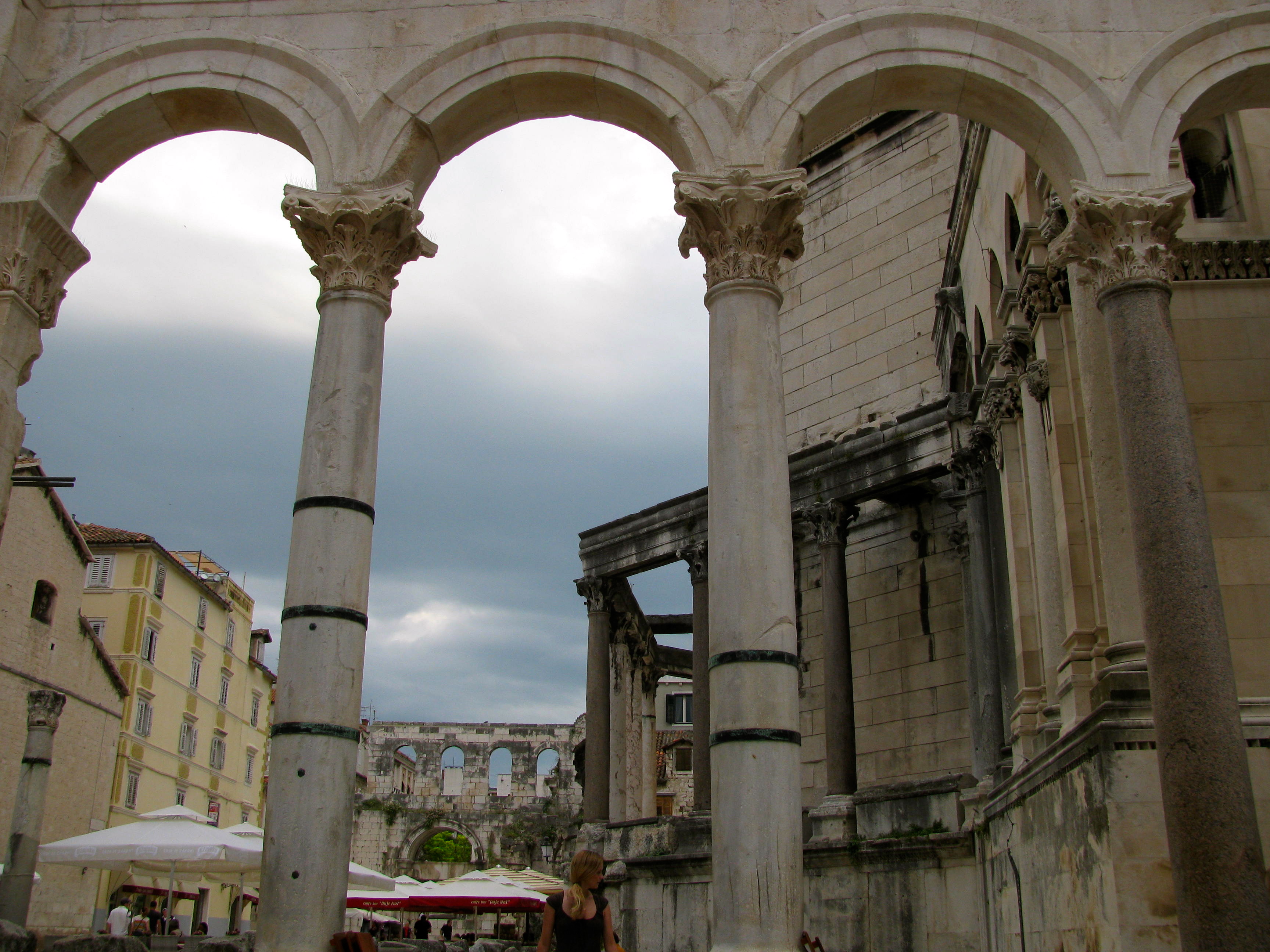
Something ironic and poetic about the juxtaposition of the Roman palace, the Catholic church Treasury, the money lenders, and the merchants all gathered together today and in the ruins of the predecessors. Posted on June 18, 2012 by thebunguycord Reply
More intermingling of residential, commercial, religious, architecture over the centuries in, on, around the palace. Posted on June 18, 2012 by thebunguycord Reply
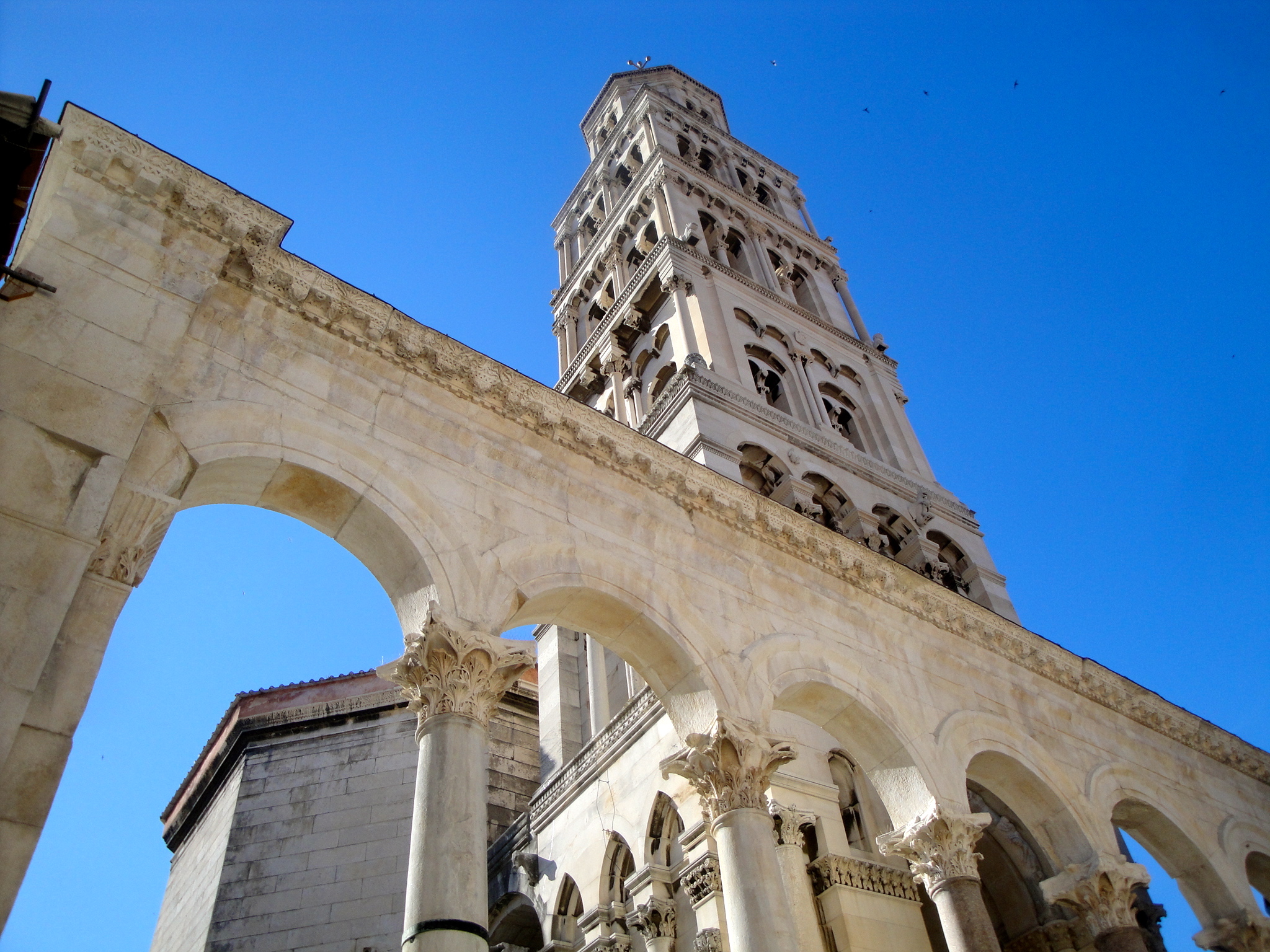
The “new” (circa 1500) Cathedral in Split built over the Roman Emperor’s palace of 300AD–and viewed through one of the remaining palace walls. Posted on June 18, 2012 by thebunguycord Reply



 thebunguycord