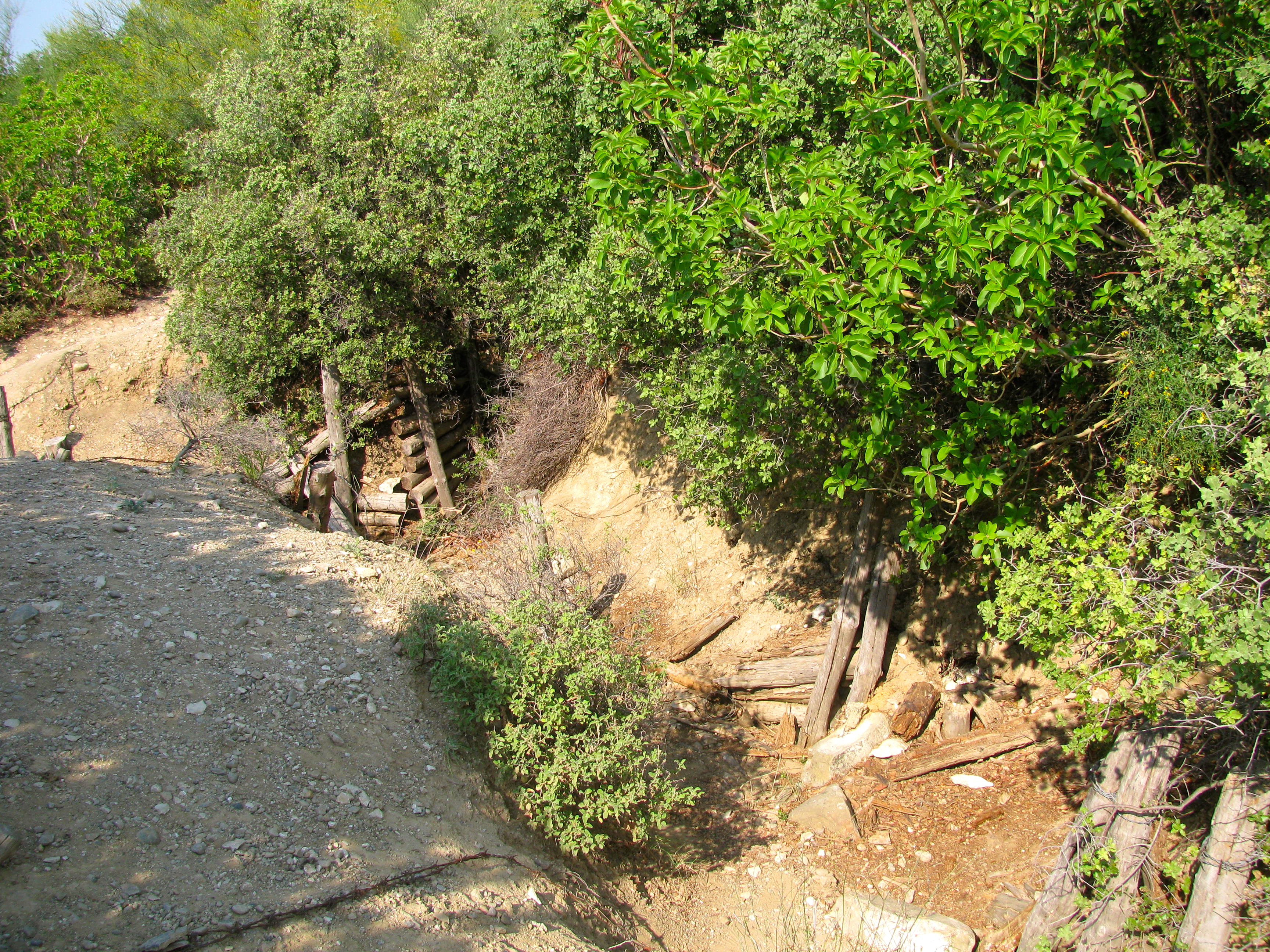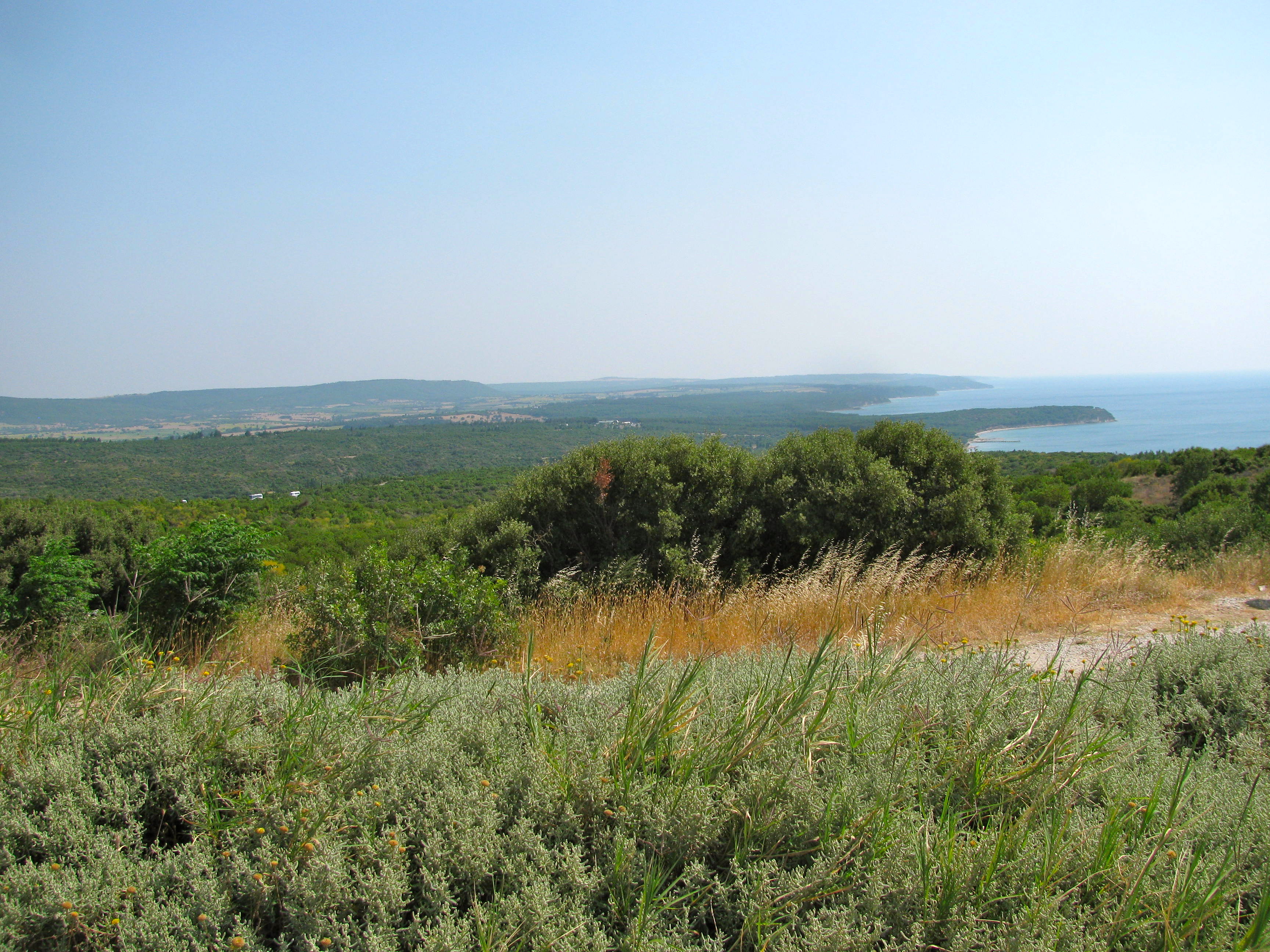
The view from the point which was the strategic objective of the entire Gallipoli campaign–control of this peak–which was achieved by the ANZAC forces on day 1, but because no one had told them what to do with it once achieved, they abandoned it also on the first day. It was regained by the Turkish army and the 600,000 following casualties were in pursuit of getting control of this spot again. It was never achieved.

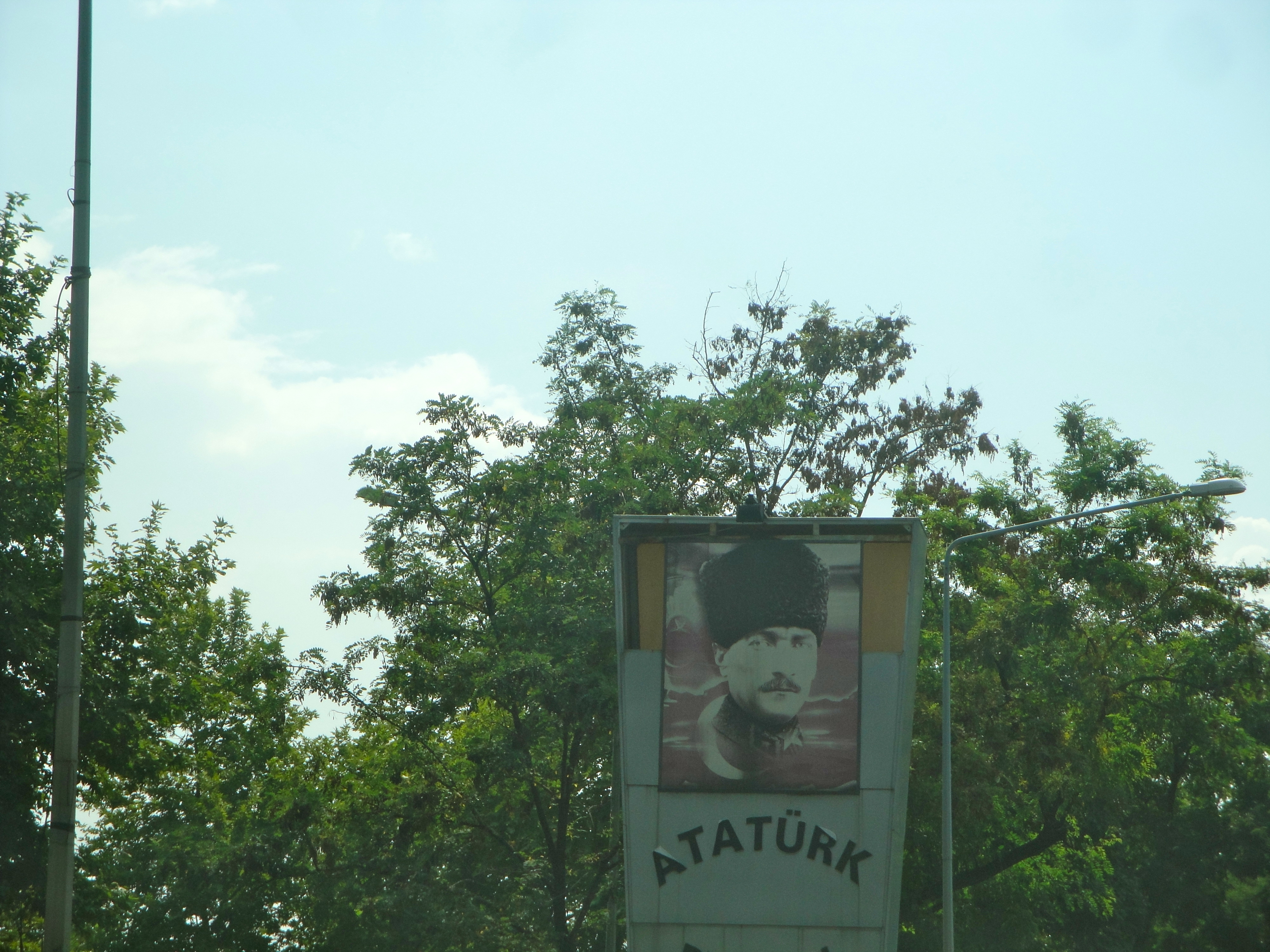
Ataturk–the dashing, courageous, handsome Father of Turkey. National hero propelled from a back-water position in the Army to prominence by his leadership at Gallipoli. In 1934, statesman, first President of the newly formed Turkey, and diplomat, Ataturk made the following speech at Gallipoli: “Those heroes that shed their blood and lost their lives…you are now lying in the soil of a friendly country. Therefore rest in peace. There is no difference between the Johnnies and the Mehmets to us, where they lie, side by side here in this country of ours. You, the mothers who sent their sons from faraway countries wipe away your tears. Your sons are now lying in our bosum and are in peace. After having lost their lives on this land, they have become our sons as well.” Such compassion, such forgivenesss.

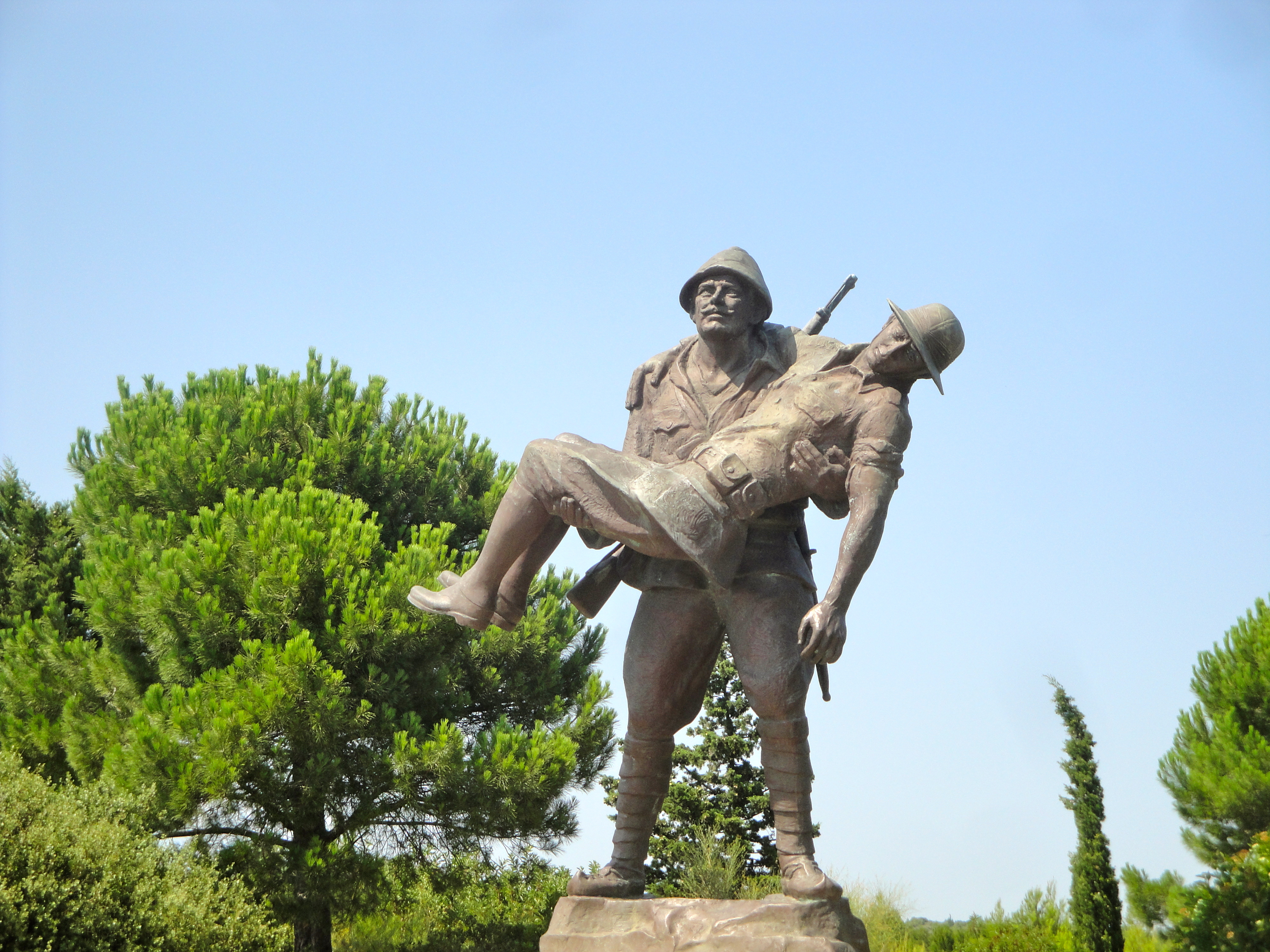
Among the many incomprehensible acts in the horrific brutality of this particular battlefront is this one. This statue was erected in honor of the compassion and heroism of the Turkish soldier who, after listening to a wounded British soldier in agony for way too long, finally attached a white flag to his rifle, climbed out of his trench, crossed no-man’s land, picked up and carried the wounded soldier back to the British trenches, laid him down, turned around and returned to his own trench…. all without a word.

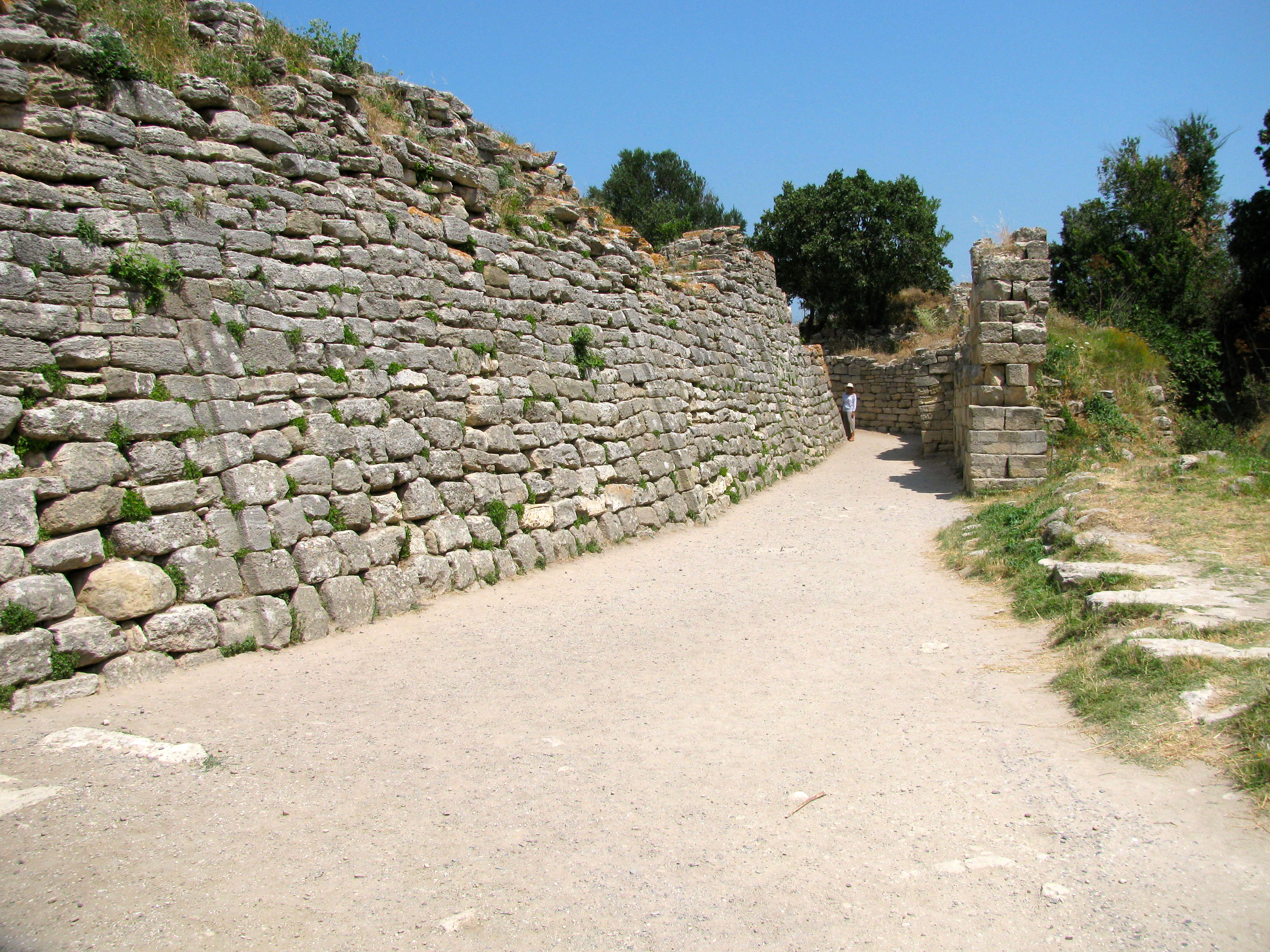
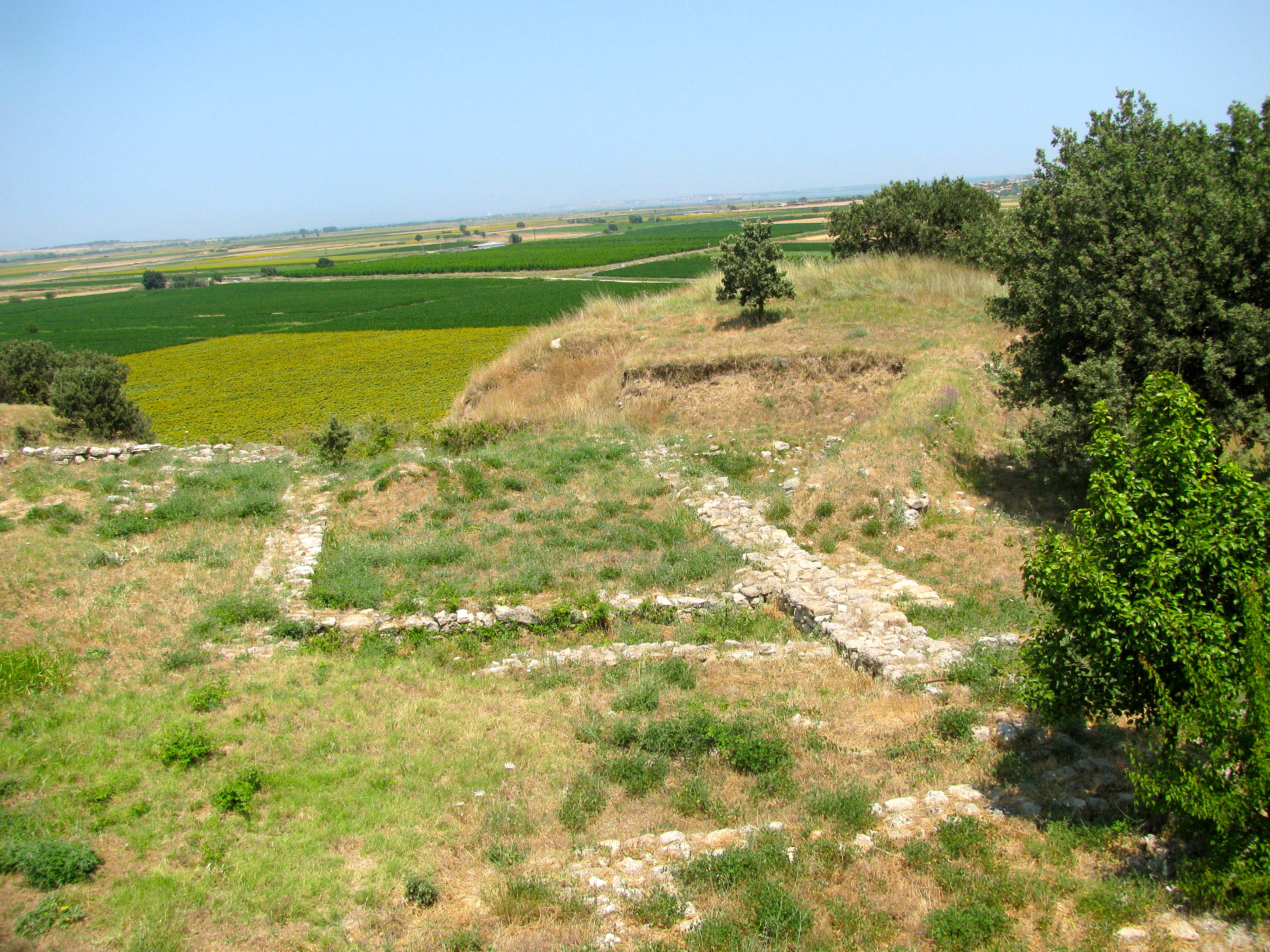
TROY! Legends, mythology, fact, and fiction. I grew up studying the eastern and central Mediterranean (e.g., reading the Iliad and the Odyssey in Latin). In those early years, I had great difficulty sorting between what happened and what allegedly happened. Troy was a center piece in this ambiguity. Where does the mythology begin and what is actually true (assuming for the moment that the mythology isn’t true—although it was certainly “true” 4,000 years ago)? What I found at Troy (and Sparta in Greece and the many points in between) is that the mythology is so deeply imbedded that only scholars can guess—and I, for one, prefer the indistinguishable blurriness and romance between the two. So there are some rough facts and known legends. There were wars between Troy and Greece/Sparta. There might have been a Trojan horse. If there was a horse, what did it actually do? Whatever did happen, it is great stuff and fine raw material for movies, books, and flights of fancy. The rough facts are that it has been a hill over a bay inhabited by one group or another beginning about 4,500 years ago. As was the case throughout the region, wars, occupations, conversions, etc., resulted in an estimated 9 different periods of occupation (Hittites, Persians, Greeks, Romans, etc.) with each group building and rebuilding one city atop another until the end of occupation in about 500 A.D. Then it all fell into disuse and ravaging by people plundering treasures or simply removing the building materials for their own uses elsewhere. Today, the archeological explorations continue but large areas have been excavated revealing the intermingling of architectural styles, defense works, living conditions, etc. While the historic descriptions (mainly of the battles) are epic, Troy itself is surprisingly small, given its place in legend and literature. Enjoy our record.