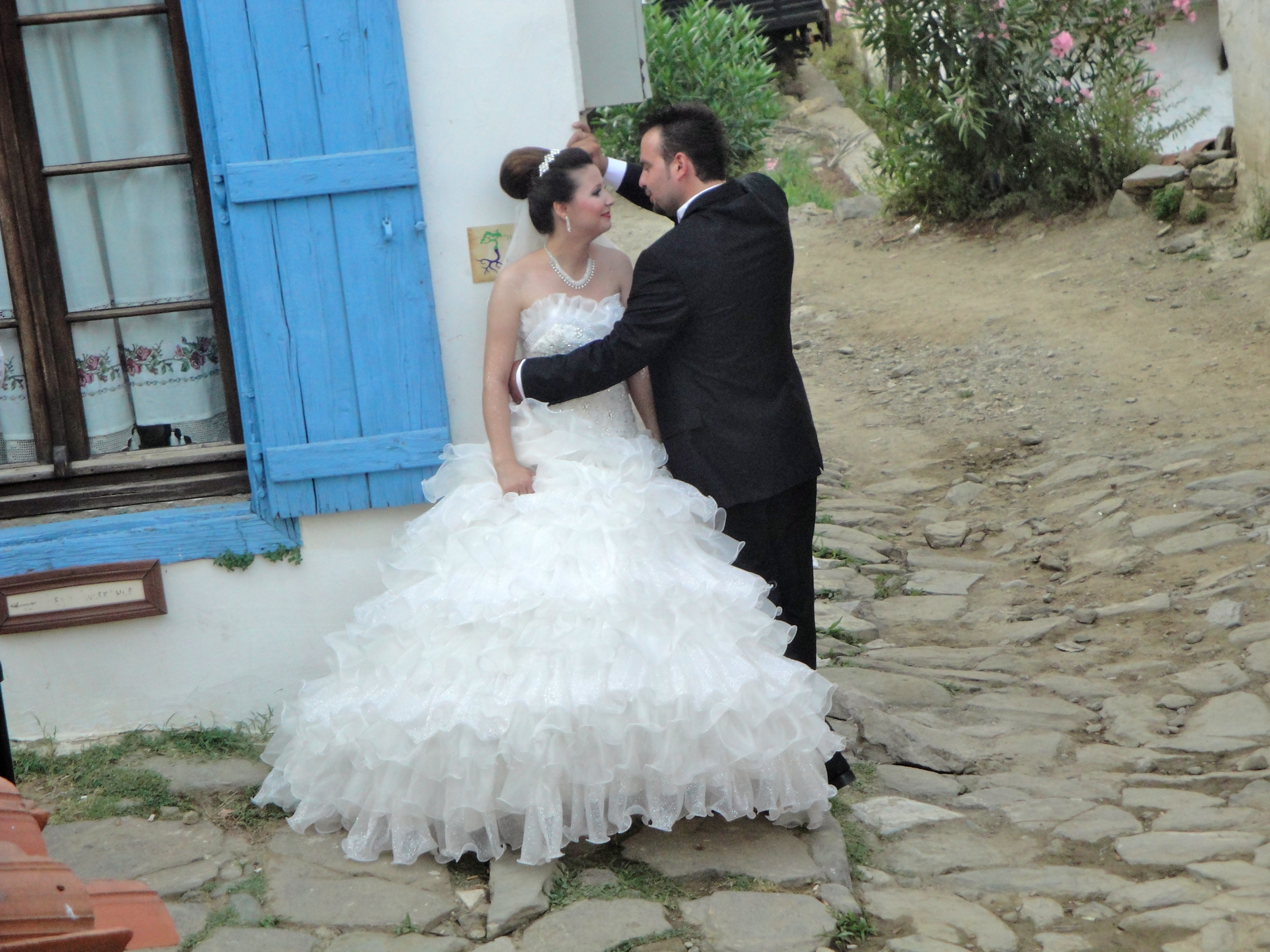
A romantic couple just married in Serince village. Taken from our restaurant table. Turkish weddings are very elaborate and over the top, festivities going on for several days. Posted on August 3, 2012 by thebunguycord Reply
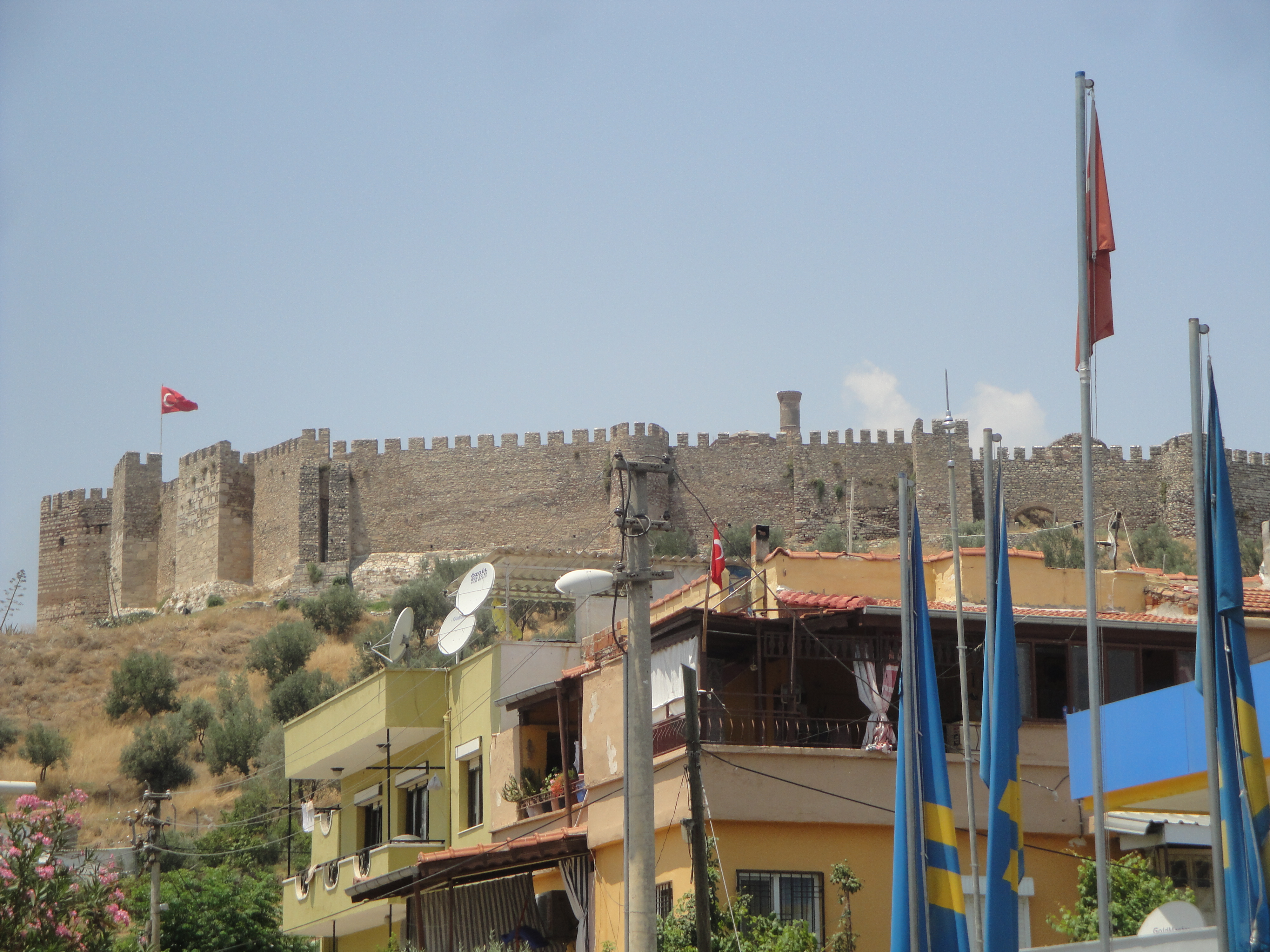
The ancient fort–started by the Romans–above the small city of Selcuk. Posted on August 3, 2012 by thebunguycord Reply
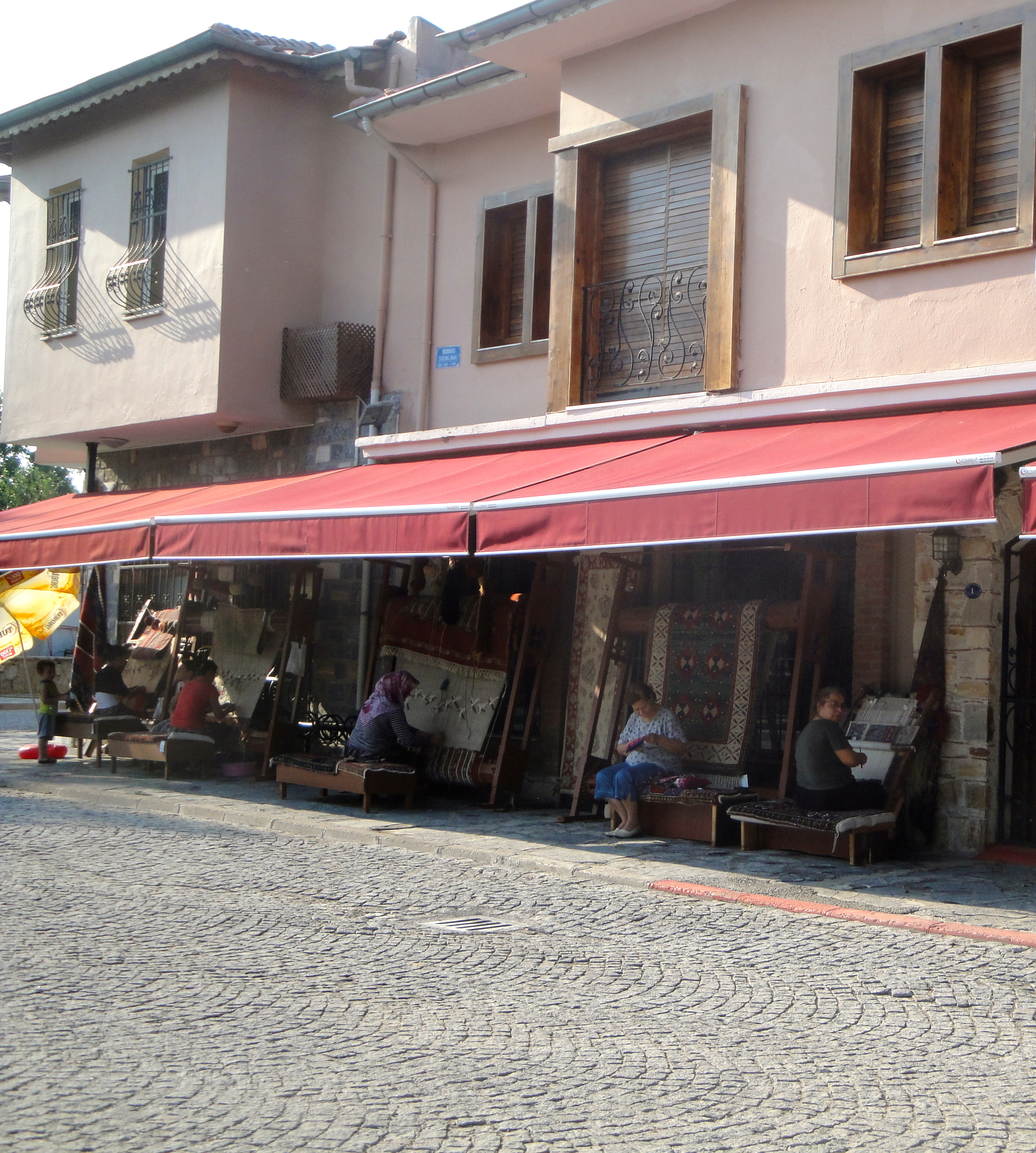
Women weaving rugs on the sidewalk in Selcuk near Serince village. Bunny bought two beautiful kilims here…. old dowry items from 1/2 a century ago. Posted on August 3, 2012 by thebunguycord Reply
EPHESUS: Ancient city of Greece and then Rome. For its day, a major population center, eventually reaching a huge 250,000 which made it one of the largest cities in the Mediterranean. As a gathering spot for philosophers, engineers (of the time), leaders (Anthony and Cleopatra lived there briefly while waiting to go to war), armies, and traders, it was critically dependent on the traders, sailors, and farmers for its economic foundations. It is estimated that the area was first populated around 6,000 B.C. The Greeks (not really the Greeks because there was no “Greece” yet—but the Spartans, Athenians, etc.) built a major city on the site around 1,000 B.C. Wars, wars, and more wars (Persians, Ionians, etc., then internal wars) increased its strategic importance as a military post and as a place to provide security for the trading. Then the Romans really elevated the importance, size, and architecture of the city. Christians and gladiators were used for entertainment and there are graveyards where their remains sleep. Of course, with each successive wave of wars, Romans, Christians, etc., things were torn down, burned, and each succeeding group built its own monuments on top of the old. Earthquakes and more wars led to its decline around 600 A.D. After being long forgotten, locals began dismembering the buildings and using the materials in their own roads, homes, etc. Long forgotten and deeply buried in centuries of soil deposition, today they estimate that it is only about 15% re-discovered. Posted on August 3, 2012 by thebunguycord Reply
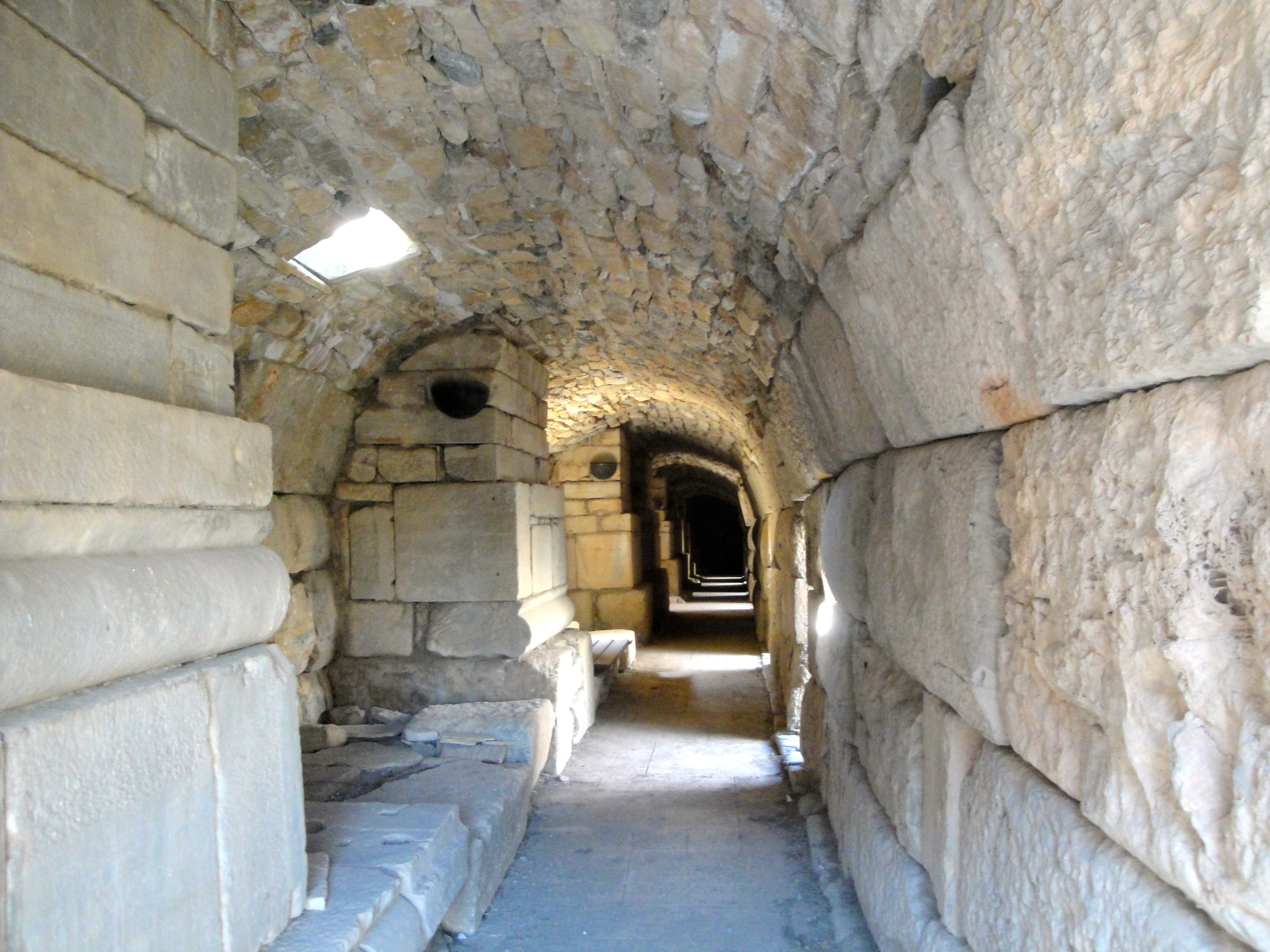
The “waiting room” to the Coliseum where the warm-up act of a philosopher could mingle with the Christians waiting to provide the real show with lions followed by gladiators as the finale to beat on each other. What a mingling spot. What stories this spot has to tell. Posted on August 3, 2012 by thebunguycord Reply
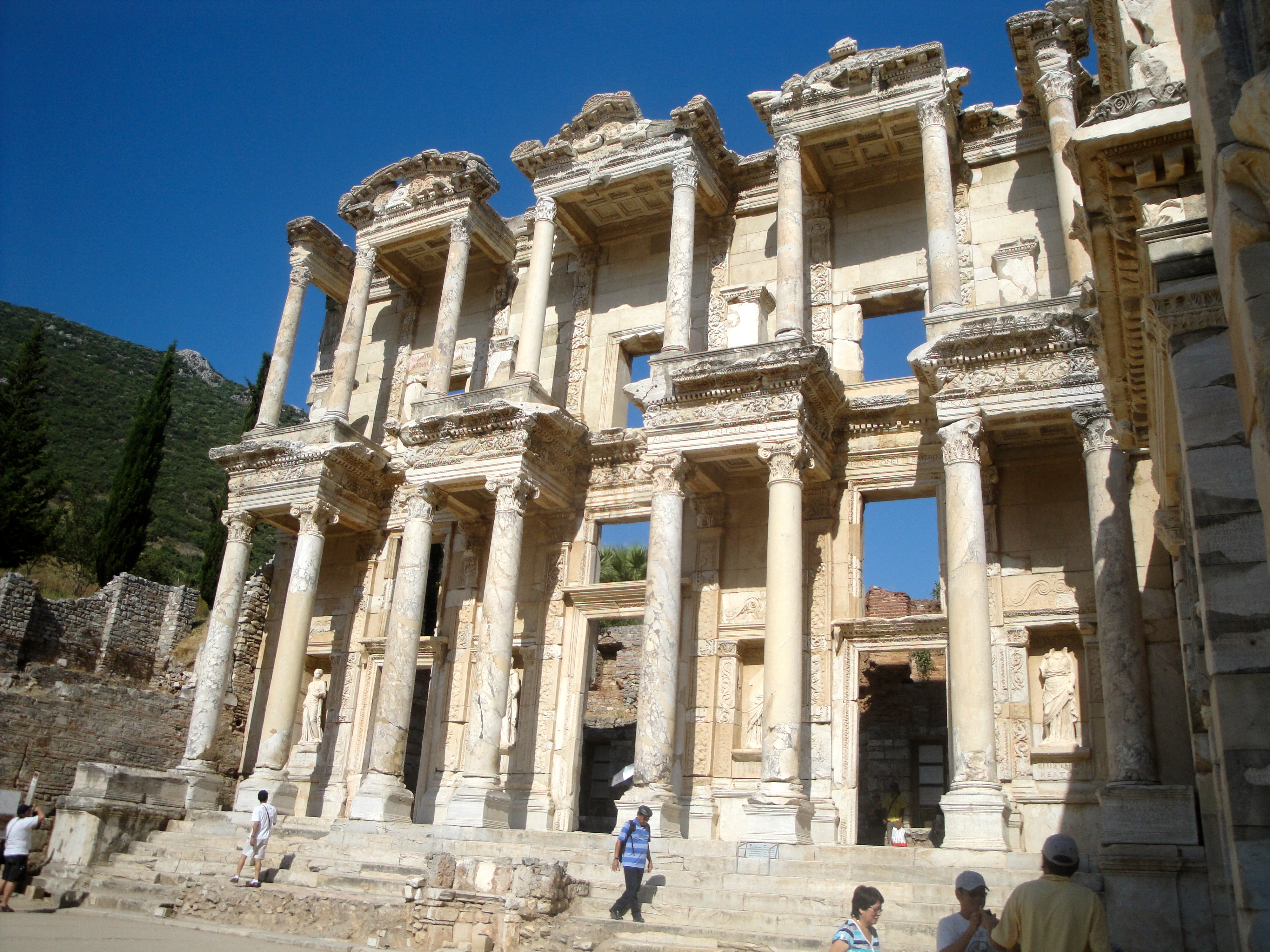
Celsius’ Library next to the Agoura gate…… Celsius–another name from the past yielding benefits even today. Posted on August 3, 2012 by thebunguycord Reply
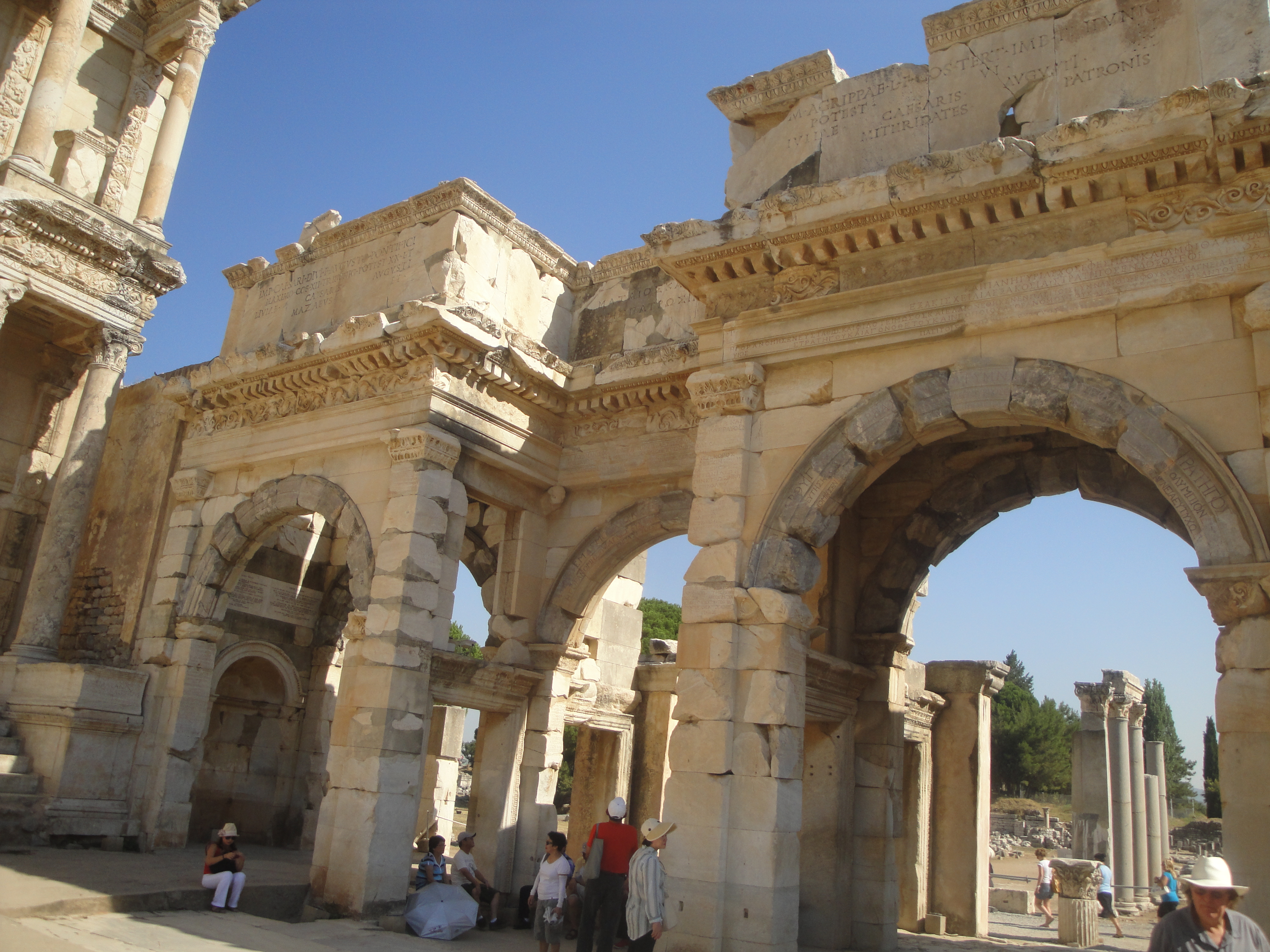
One of numerous gates to Ephesus–this one built by two ex-slaves who became rich merchants–the gate to the Agoura (market) built in the year 2 B.C. Posted on August 3, 2012 by thebunguycord Reply
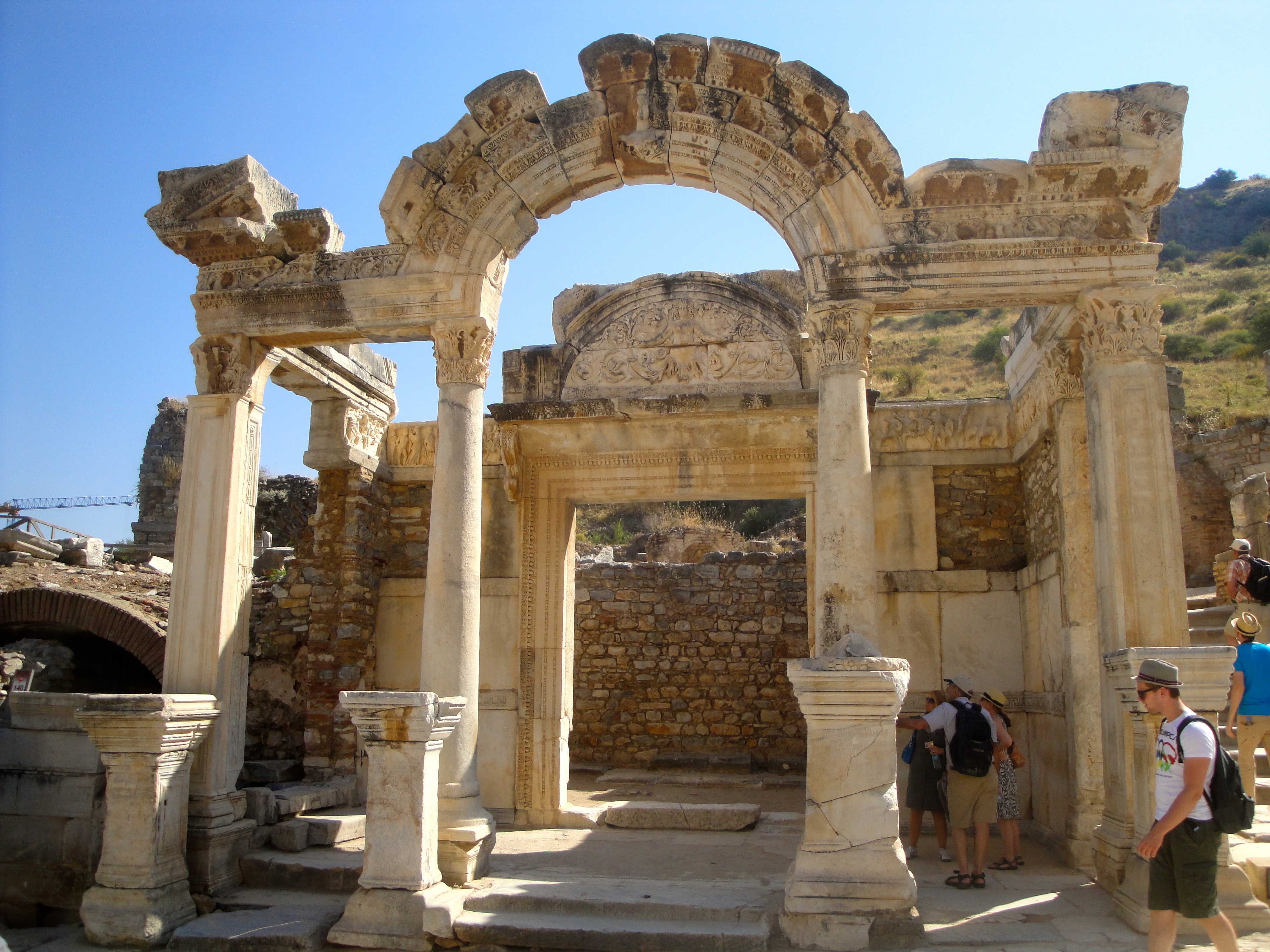
It seems that there is a gate dedicated to the Roman Emperor Hadrian in every Roman city. Posted on August 3, 2012 by thebunguycord Reply
The entrance to the waiting room next to the Coliseum. Posted on August 3, 2012 by thebunguycord Reply



 thebunguycord