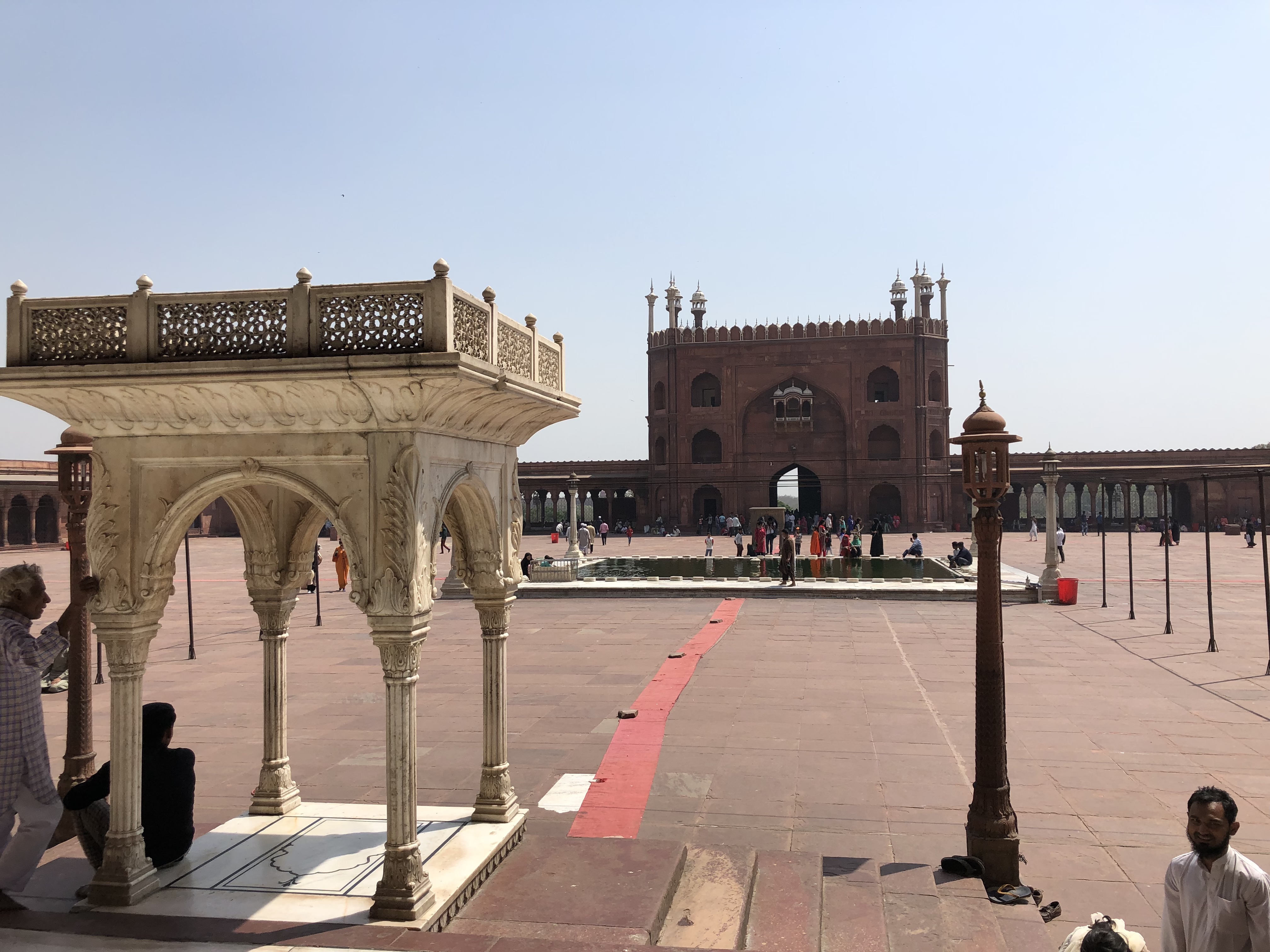
400 years ago the emperor sat on this white throne to address his minions who were not allowed to come any closer than the far side of the courtyard for security reasons.
Image
Reply









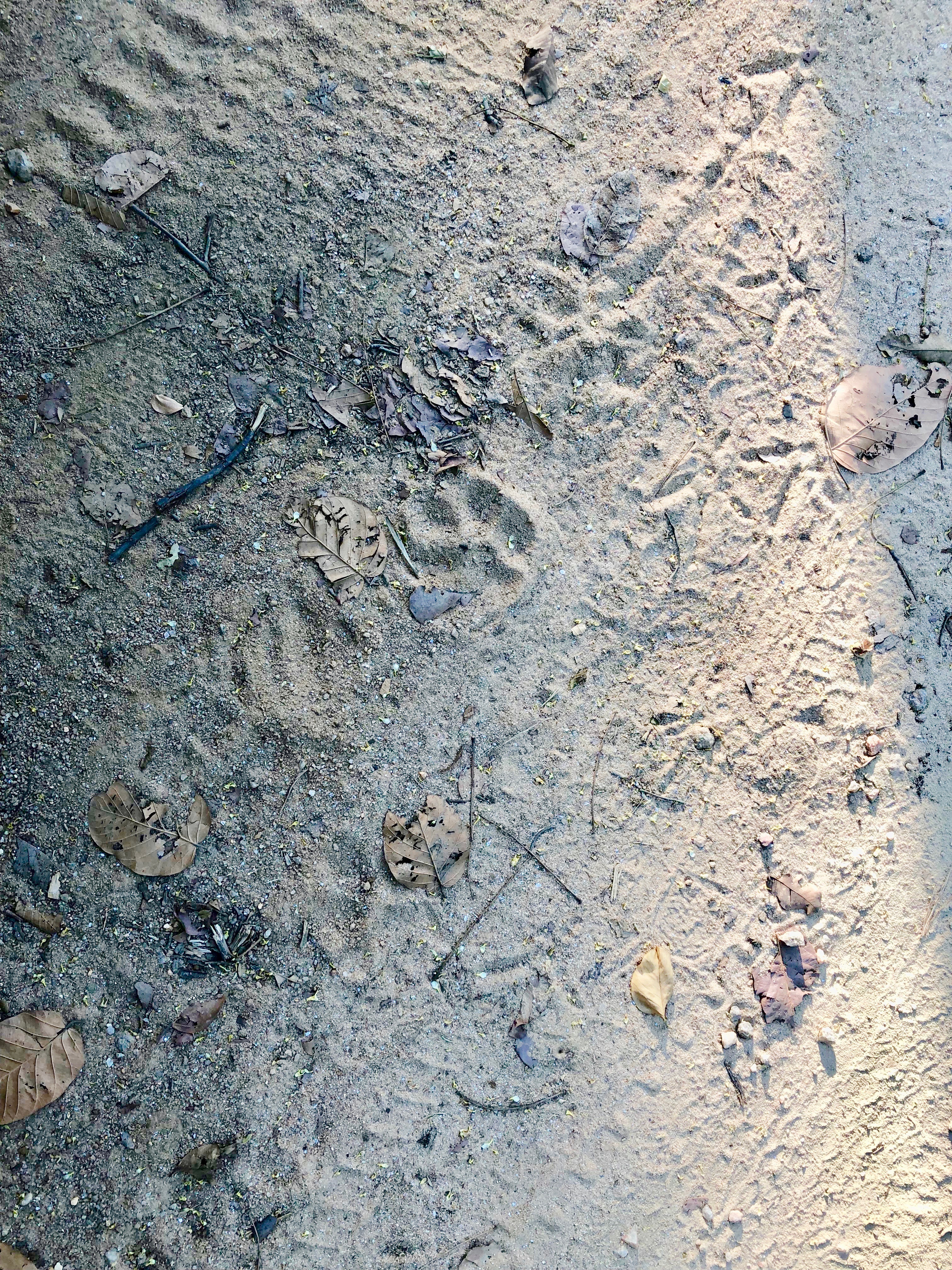
Welcome to Kanha. This place illustrates that there can be a scarcity of government capital but ingenuity can develop what amounts to a sanctuary for all things non-human. Kanha National Park & Tiger Reserve demonstrates progress: what can be done when the right intention synchronizes with right action. It took public and private leadership in the 1970s to initiate and ultimately succeed in creating a beautiful, almost large enough, sanctuary for the former foe of rural areas: the tiger.
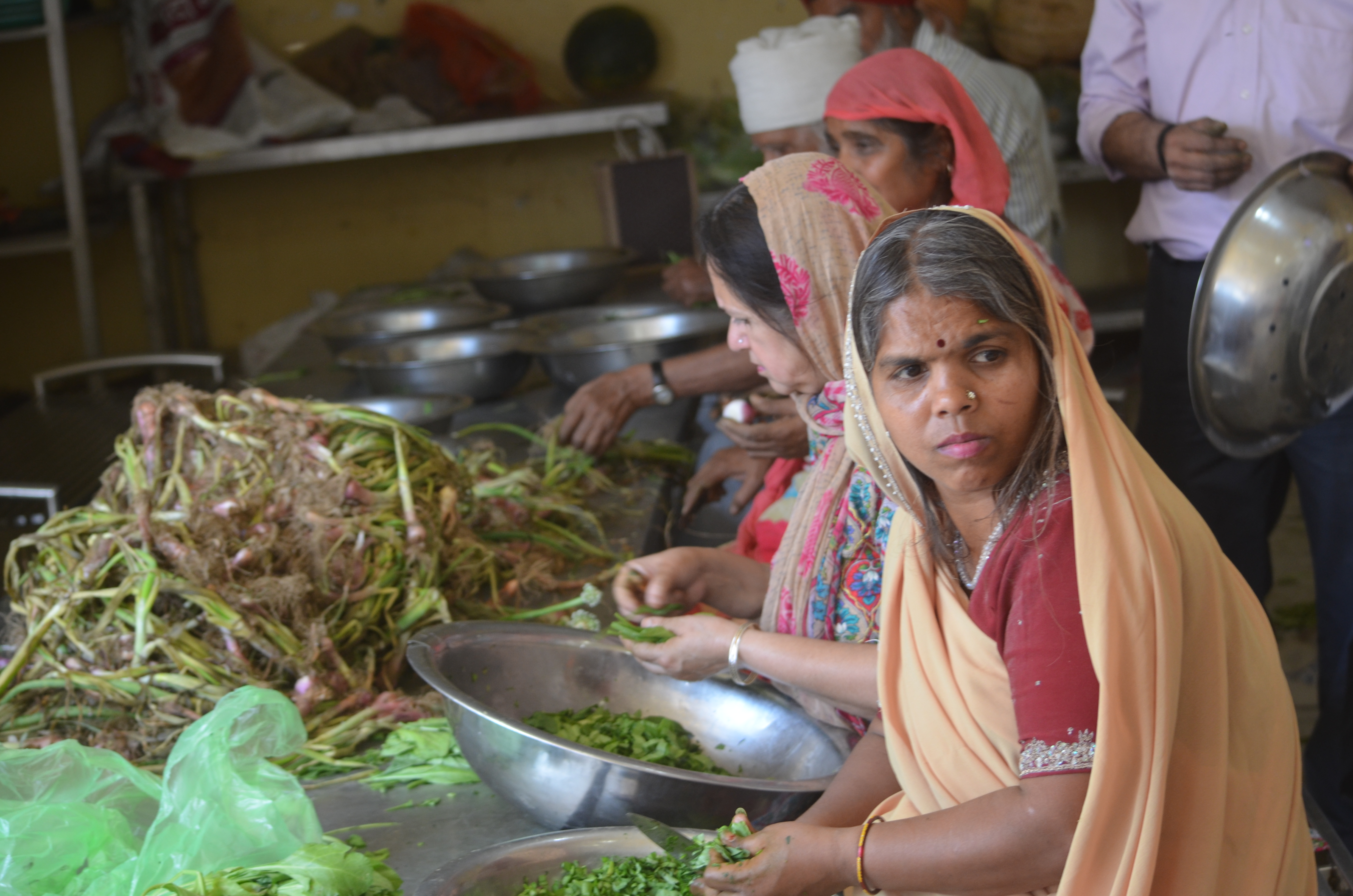
The park is approximately 230,000 acres of a mix of former intensive agriculture (rice fields, crops, pastures) and extremely rugged forest lands. The farmers were literally forced to leave and enough land was assembled to serve the endangered population of surviving tigers and a host of other wildlife, birds, butterflies, and forests that likely would have been cut down for firewood by now. Good intentions for the critters have combined to create meaningful economic opportunities (guides, drivers, forest workers, paper movers, suppliers of locally produced food and fiber, etc.) a far cry from the subsistence agriculture that existed previously. As a result, the surrounding communities have grown from resistance, doubt, fears, etc., to support, if not enthusiasm.
We came prepared for the heat (100 degrees F) but not the cold. We did not expect 50+ degree temperature swings. We did have warm clothing (for Nepal and Bhutan) so we rugged up nicely. Layers, peel off as the day heats.
Ending days of the dry season. Monsoons very soon. Dry crunchy leaves signal activity. Monkeys plucking green leaves to drop to the forest floor for the spotted deer. The spotted deer offer warning sounds if they detect approaching danger just as the monkeys do the same for the deer as the perch high in the tree canopy. Sophisticated warning systems shared by all…. To the chagrin of the pre-daters (as they say it).
Sugerah: we cannot recommend it more highly. Only 6 cabins scattered through the forest. Only 8 guests counting us. Our tent cabin was fabulous; comfortable bed, spacious tent, potable water, and located only about 5-10 minutes walk through the woods to the main lodge where we had delicious lunches and dinners. Breakfast was in the field. The people were terrific, knowledgeable, interested, and interesting. Lots of great conversations. Jeeps of 2 passengers, a driver, and a “guide” (really an employment program for the locals—they did not speak English and their knowledge was limited—but they did provide another set of eyes). The driver spoke English, was very knowledgeable, and drove safely some of the time.
 thebunguycord